Quick Answer
Med spa patient churn is the percentage of patients who visit once and never return, and it is the silent revenue killer in aesthetics. Roughly 60% of first-time aesthetic patients never rebook, and losing just one regular patient a week costs about $78,000 a year, so automated rebooking, a membership, and a win-back sequence are what turn one-off visits into a retained patient base.
Key Takeaways
- Above 50%.
- Mostly because nobody asks them to at the right moment.
- A regular aesthetic patient is worth roughly $1,500 a year, so losing one a week costs about $78,000 a year in protected revenue, before counting the referrals that patient never sends.
- Automate rebooking timed to the treatment cycle, launch a membership so patients have a reason to return, fire a win-back sequence to lapsed patients, and ask for the next booking before the patient leaves the chair.
- Yes.
Definition
Above 50%.
Med spa patient churn is the percentage of patients who visit once and never return, and it is the silent revenue killer in aesthetics. Roughly 60% of first-time aesthetic patients never rebook, and losing just one regular patient a week costs about $78,000 a year, so automated rebooking, a membership, and a win-back sequence are what turn one-off visits into a retained patient base.
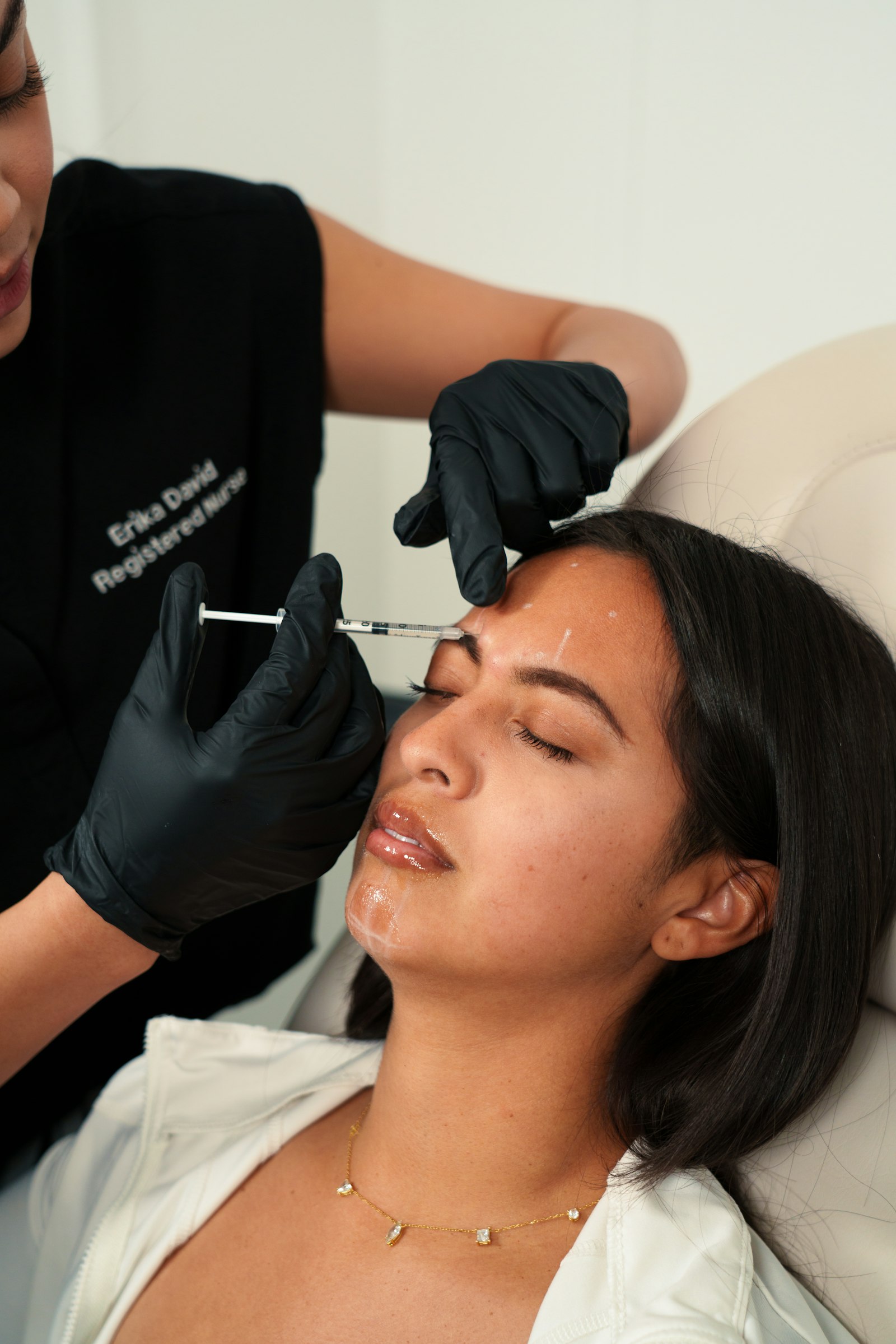
The silent revenue killer: the patient who never returns
Roughly 60% of first-time aesthetic patients never rebook, and the practice usually does not notice because the patient simply drifts. Losing one regular patient a week costs about $78,000 a year in protected revenue, so churn is the most expensive problem a med spa never sees.
A med spa I worked with thought it had a growth problem; it actually had a churn problem. New patients were coming in, but 60% never came back, and nobody was tracking it. We added an automated rebooking reminder timed to each treatment cycle and a win-back sequence for lapsed patients, and the rebook rate climbed from 40% to over 60% in three months. Revenue followed without a single new lead. This is the same fix in our med spa rebooking automation guide.
Why patients leave and how to catch them
Most patients leave not because they are unhappy, but because nobody asked them to return at the right moment. A rebooking reminder timed to the treatment cycle, a membership that gives a reason to return, and a win-back sequence for lapsed patients are the three levers that cut churn.
| Churn cause | What happens | The fix |
|---|---|---|
| No rebooking prompt | Patient forgets to book the next treatment | Automated reminder timed to the cycle |
| No reason to return | Patient books a competitor next time | A membership with a monthly perk |
| Lapsed and forgotten | Practice never reaches back out | A win-back sequence at 60 and 90 days |
| Poor first visit | Patient leaves unhappy and silent | Post-visit survey and a recovery call |
The three-automation churn reduction stack
Three automations do most of the work: a rebooking reminder timed to the treatment cycle, a membership that gives patients a reason to return, and a win-back sequence that fires the moment a patient lapses. Together they turn one-off visits into a retained base.
- 1Send an automated rebooking reminder timed to each treatment's cycle, not a generic monthly blast.
- 2Ask for the next booking before the patient leaves the chair, while intent is highest.
- 3Launch a membership so patients have a recurring reason to return.
- 4Fire a win-back sequence at 60 and 90 days for any patient who has not rebooked.
- 5Send a post-visit survey and trigger a recovery call on any low score.
Building the rebooking, membership, and win-back flows is engineering work, which is why an expert AI automation engineer wires the triggers so the right message fires at the right moment and logs to the CRM. Practices that need follow-up capacity can also hire a Filipino virtual assistant to handle recovery calls while the automation handles the timing.
Measuring churn so you can act on it
You cannot fix what you do not measure. Track rebook rate, membership churn, and lapsed-patient recovery monthly, and act the moment any of them trends the wrong way, because churn compounds silently before it shows up in revenue.
- Rebook rate: the percentage of first-visit patients who return within 90 days.
- Membership churn: the percentage of members who cancel each month, target under 5%.
- Lapsed recovery: the percentage of lapsed patients a win-back sequence reactivates.
- Average patient value: rising value signals retention is working.
- Review velocity: happy retained patients leave more reviews, which drive new patients.
That system is what we build for practices on our med spa industry page, and it pairs with our med spa membership tiers guide. When you want churn reduction wired into your CRM, book a free setup audit.
This is the core of the owned marketing engine model: the rebooking, membership, and win-back flows are rebuilt as one owned system for a single one-time build fee, then maintained for a small monthly retain.
Key takeaways
- Roughly 60% of first-time aesthetic patients never rebook.
- Losing one regular patient a week costs about $78,000 a year.
- Most patients leave because nobody asked them to return at the right moment.
- Rebooking, membership, and win-back are the three automations that cut churn.
- Track rebook rate and membership churn monthly; churn compounds silently.

Criselle Julian— Project Manager
Criselle Julian is a Project Manager at Apehx Digital, leading CRM, automation, and data-ownership builds for US service businesses from scoping through launch.
See more of Criselle's workFrequently Asked Questions
What is a good rebooking rate for a med spa?
Above 50%. Roughly 60% of first-time aesthetic patients never rebook, so practices that push that number above 50% with automated rebooking and a membership protect tens of thousands in annual revenue.
Why do med spa patients not come back?
Mostly because nobody asks them to at the right moment. Without an automated rebooking reminder timed to the treatment cycle, patients drift, forget, and book a competitor when they are ready for the next treatment.
How much does losing a med spa patient cost?
A regular aesthetic patient is worth roughly $1,500 a year, so losing one a week costs about $78,000 a year in protected revenue, before counting the referrals that patient never sends.
How do I reduce churn in a med spa?
Automate rebooking timed to the treatment cycle, launch a membership so patients have a reason to return, fire a win-back sequence to lapsed patients, and ask for the next booking before the patient leaves the chair.
Does a membership reduce med spa churn?
Yes. Members churn at dramatically lower rates than non-members because the monthly perk gives them a reason to return, and well-run programs keep monthly churn under 5%.
More from the blog
Related guides in the same topic cluster.