Quick Answer
Med spa membership tiers are a structured pricing model that charges a flat recurring fee for set perks, turning one-off visits into predictable monthly revenue. Members visit more often and spend 67% more than non-members, and retaining just 5% more patients lifts profit 25 to 95%, so a well-designed two or three tier membership is the single biggest recurring-revenue lever a med spa can pull.
Key Takeaways
- Most med spa memberships run $99 to $299 a month depending on the perks included, with a basic tier for one signature treatment, a mid tier for a treatment plus a discount, and a premium tier for unlimited or premium services.
- Two or three.
- Yes.
- Under 5% monthly.
- A monthly signature treatment, a discount on add-ons and retail, priority booking, and a member-only price on premium services.
Definition
Under 5% monthly.
Med spa membership tiers are a structured pricing model that charges a flat recurring fee for set perks, turning one-off visits into predictable monthly revenue. Members visit more often and spend 67% more than non-members, and retaining just 5% more patients lifts profit 25 to 95%, so a well-designed two or three tier membership is the single biggest recurring-revenue lever a med spa can pull.
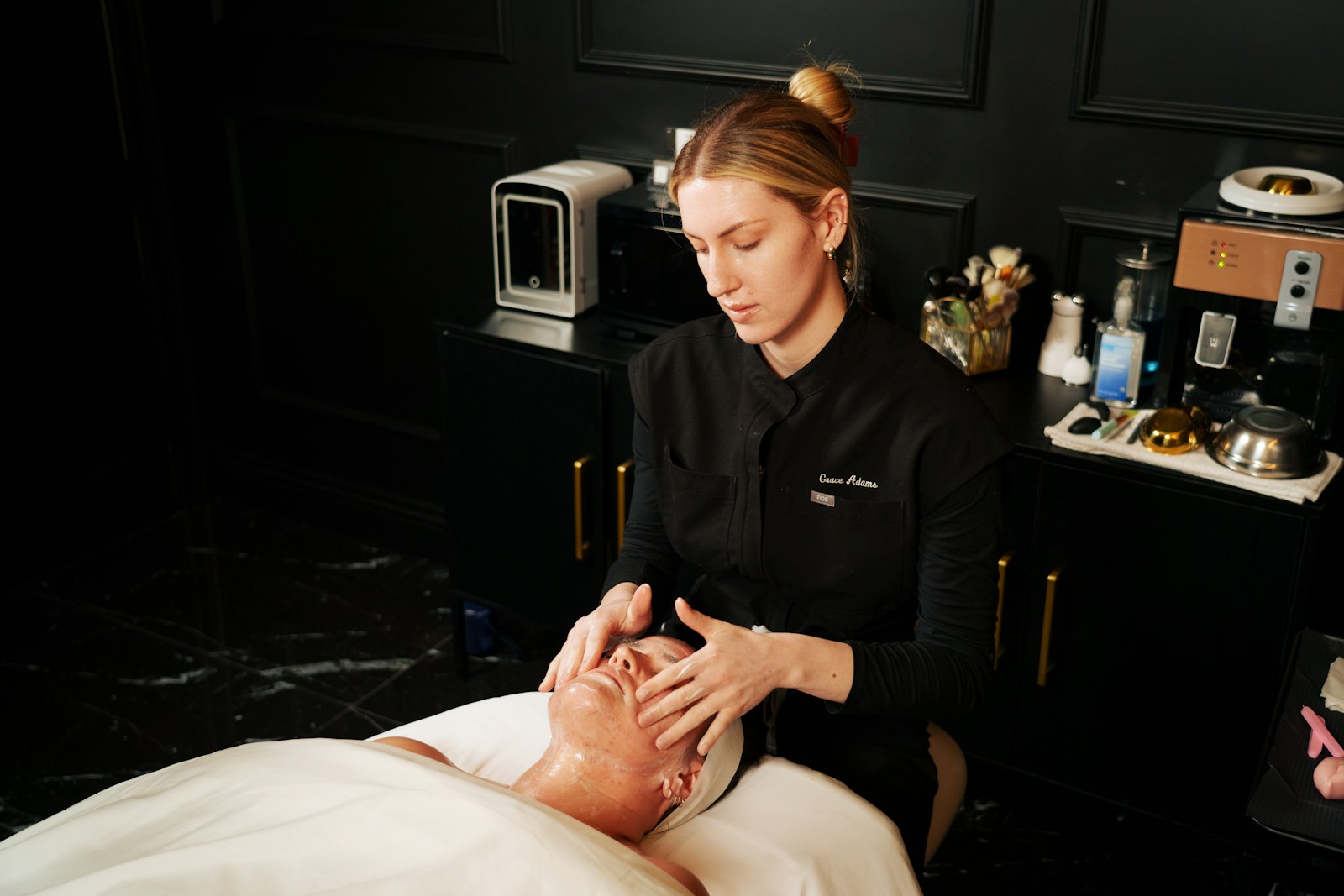
Why membership is the biggest revenue lever in a med spa
A med spa membership turns one-off appointments into predictable monthly revenue. Members visit more frequently, spend 67% more per visit, refer more often, and churn at far lower rates, so a well-run membership is the single biggest recurring-revenue lever a practice can pull.
A med spa I worked with ran on pure fee-for-service and had no idea what next month's revenue would be. We launched a two-tier membership at $149 and $249, and within six months 40% of regulars had joined, smoothing the cash flow and lifting average patient spend by a third. The recurring revenue made the practice far easier to staff and far more valuable. This pairs with our med spa membership retention guide.
Designing two or three tiers that actually sell
Two or three tiers is the sweet spot. A basic tier captures price-sensitive regulars, a mid tier captures the majority, and a premium tier captures high-spenders. More than three creates decision fatigue and lowers sign-ups, so keep the choice simple.
| Tier | Price | Core perk | Who it is for |
|---|---|---|---|
| Basic | $99 to $149 | One signature treatment a month | Price-sensitive regulars |
| Mid | $149 to $249 | Treatment plus an add-on discount | The majority of members |
| Premium | $249 to $399 | Unlimited or premium services | High-spenders and frequent visitors |
The perks that drive retention
The perk that drives retention is the monthly treatment the member does not want to lose, not the discount. A member who books their first service within two weeks of joining stays far longer, so the onboarding flow matters as much as the pricing.
- One monthly signature treatment the member would otherwise skip.
- A discount on add-ons and retail that raises per-visit spend.
- Priority booking so members never wait for a slot.
- A member-only price on premium services to create an upgrade path.
- A referral perk that turns members into a lead source.
Running the billing, the booking, and the renewal reminders is automation work, which is why an expert AI automation engineer wires the membership so renewals bill on time, lapsed members get a win-back, and churn stays under 5%. Practices that need front-desk capacity can also hire a Filipino virtual assistant to manage member bookings while the automation handles billing.
Keeping churn under 5%
The single biggest churn lever is getting a new member to book their first service within two weeks of joining. A member who uses their first perk fast stays far longer, so the onboarding sequence matters more than any retention discount.
- 1Send an instant welcome with a booking link the moment someone joins.
- 2Auto-remind members to book their monthly treatment before it lapses.
- 3Bill renewals on the same date each month with a clear receipt.
- 4Fire a win-back sequence the moment a member cancels or lapses.
- 5Track monthly churn and act the moment it trends above 5%.
That system is what we build for practices on our med spa industry page, and it works with our med spa rebooking automation guide. When you want membership tiers wired into your CRM, book a free setup audit.
This is the core of the owned marketing engine model: the membership billing, the booking, and the win-back are rebuilt as one owned system for a single one-time build fee, then maintained for a small monthly retain.
Key takeaways
- Members spend 67% more than non-members and retention of 5% lifts profit 25 to 95%.
- Two or three tiers is the sweet spot; more creates decision fatigue.
- The monthly treatment the member does not want to lose is the real retention driver.
- Getting a new member to book within two weeks is the biggest churn lever.
- Keep monthly churn under 5% or you replace members faster than you grow.

Criselle Julian— Project Manager
Criselle Julian is a Project Manager at Apehx Digital, leading CRM, automation, and data-ownership builds for US service businesses from scoping through launch.
See more of Criselle's workFrequently Asked Questions
How much should a med spa membership cost per month?
Most med spa memberships run $99 to $299 a month depending on the perks included, with a basic tier for one signature treatment, a mid tier for a treatment plus a discount, and a premium tier for unlimited or premium services.
How many tiers should a med spa membership have?
Two or three. A basic tier captures price-sensitive regulars, a mid tier captures the majority, and a premium tier captures high-spenders. More than three tiers creates decision fatigue and lowers sign-ups.
Do med spa memberships increase revenue?
Yes. Members visit more often and spend 67% more than non-members, and membership programs typically contribute 20 to 30% of total revenue, with member retention rates as high as 70%.
What is a good churn rate for a med spa membership?
Under 5% monthly. Above that, you are replacing members faster than you are growing. Getting new members to book their first service within two weeks is the single biggest lever for keeping churn low.
What perks should a med spa membership include?
A monthly signature treatment, a discount on add-ons and retail, priority booking, and a member-only price on premium services. The perk that drives retention is the monthly treatment the member does not want to lose.
More from the blog
Related guides in the same topic cluster.