Quick Answer
Over 60% of first-time Botox patients never rebook at the same clinic, not because they were dissatisfied but because no one prompted them when their neurotoxin wore off. An automated 90-day recall engine timed to biology can recover that churn into tens of thousands in monthly rebookings.
Key Takeaways
- Automated prompts fire at 75 days, 85 days, and 95 days post-treatment — precisely when muscle action returns and patients notice movement.
- Yes, SMS text-backs link straight to an injector-specific calendar showing only available neurotoxin slots.
- No, it frees your front desk from making 40 awkward outbound recall calls per day so they can focus on in-clinic client hospitality.
- Mostly because life gets busy and nothing prompts them when the treatment wears off.
- Clinics that automate treatment-specific recall routinely recover churn into roughly $28,000 in additional monthly rebookings.
Definition
First-time Botox and filler patients rarely return without systematic recall.
Over 60% of first-time Botox patients never rebook at the same clinic, not because they were dissatisfied but because no one prompted them when their neurotoxin wore off. An automated 90-day recall engine timed to biology can recover that churn into tens of thousands in monthly rebookings.
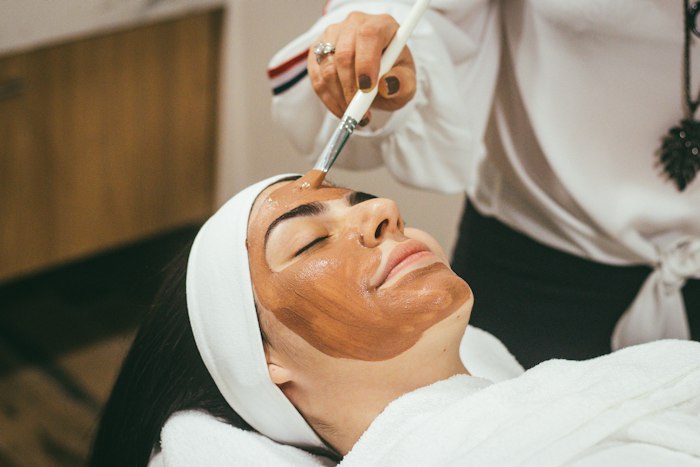
The predictable lifecycle of aesthetics
Aesthetic procedures operate on biological clocks: Botox lasts 90 to 120 days and fillers last 9 to 12 months. When outreach is automated and matched to that biology, patient lifetime value doubles because the recall arrives exactly when the patient notices the treatment fading.
Over 60% of first-time Botox patients never rebook at the same clinic — not because they were dissatisfied, but because life got busy and no one prompted them when their neurotoxin wore off. The American Society of Plastic Surgeons tracks aesthetic procedure volume and notes how repeat treatments drive the bulk of clinic revenue, which makes recall the highest-leverage activity in a med spa (ASPS).
The VIP rebooking sequence
Instead of generic mass discounts, the engine sends personalized, treatment-specific reminders from the injector's name, driving seamless self-booking with zero front desk phone tag. The recall fires on the treatment's biological clock, not on a fixed calendar.
- Recall fires at 75, 85, and 95 days — when movement returns and patients notice
- Messages come from the injector's name, not a generic clinic number
- Treatment-specific links to an injector's own calendar for self-booking
- No mass discounts — the prompt itself is the nudge
This is the ownership-first recall model we build across specialties — see the full med spa and aesthetics CRM playbook. Because the recall data and pipeline live in your own CRM, the rebooking engine keeps running even if you ever change providers, which is the core argument in how to own your marketing system.
Manual recall vs automated recall
Manual recall depends on a front desk making 40 awkward outbound calls a day and almost never hitting the right biological moment. Automated recall reaches every patient at exactly the right day with a self-booking link, recovering churn without adding headcount.
| Metric | Manual recall | Automated recall |
|---|---|---|
| Calls per day | ~40 outbound | Zero |
| Timing accuracy | Roughly monthly | Exact treatment cycle |
| Patient reach | Whoever answers | 100% of due patients |
| Booking friction | Phone tag | Self-book by text |
| Recovered rebookings | Baseline | Up to ~$28k/mo |
Turning churn into a predictable revenue line
When recall is automated and matched to biology, the 60% of first-time patients who would have vanished become a predictable rebooking stream. Clinics routinely recover that churn into roughly $28,000 in additional monthly rebookings without spending more on ads.
Retention beats acquisition in aesthetics because the patient is already sold — they just need to be reminded at the right moment. When you want this mapped to your treatment mix, book a free setup audit.
Everything here sits inside the broader owned marketing engine model, where your CRM, automations, and booking are built as one system you own for a single one-time fee.
Key takeaways
- 60%+ of first-time aesthetic patients churn from a recall gap, not dissatisfaction.
- Botox and fillers run on biological clocks — recall must match them.
- Automated, injector-named recall recovers churn without more outbound calls.
- Clinics recover churn into ~$28k/mo in rebookings with no new ad spend.

Criselle Julian— Project Manager
Criselle Julian is a Project Manager at Apehx Digital, leading CRM, automation, and data-ownership builds for US service businesses from scoping through launch.
See more of Criselle's workFrequently Asked Questions
When should neurotoxin recall messages trigger?
Automated prompts fire at 75 days, 85 days, and 95 days post-treatment — precisely when muscle action returns and patients notice movement.
Can patients book their own follow-up slot via text?
Yes, SMS text-backs link straight to an injector-specific calendar showing only available neurotoxin slots.
Does this replace our front desk receptionist?
No, it frees your front desk from making 40 awkward outbound recall calls per day so they can focus on in-clinic client hospitality.
Why do first-time aesthetic patients churn so often?
Mostly because life gets busy and nothing prompts them when the treatment wears off. It is a recall problem, not a satisfaction problem.
How much can a recall engine recover in rebookings?
Clinics that automate treatment-specific recall routinely recover churn into roughly $28,000 in additional monthly rebookings.
More from the blog
Related guides in the same topic cluster.