Quick Answer
Solar lead follow-up automation is a CRM sequence that contacts every solar lead instantly and nurtures them across the 1-to-6-week decision window with automated texts, qualification, and appointment booking, lifting the national lead-to-appointment rate of roughly 33% by recovering leads that decay when teams follow up manually, because a $150 solar lead that books an appointment the same hour it arrives converts far better than one called two days later.
Key Takeaways
- The national average is roughly 33%, meaning about two-thirds of solar leads never book an appointment.
- Within minutes.
- Instant text-back, qualification questions (homeownership, roof, electric bill), savings estimate, appointment booking, follow-up reminders, and re-engagement for dormant leads, all inside a CRM that scores readiness.
- Solar leads typically cost $50 to $200 each depending on quality and source, which is why a low appointment rate is so expensive.
- Yes.
Definition
The national average is roughly 33%, meaning about two-thirds of solar leads never book an appointment.
Solar lead follow-up automation is a CRM sequence that contacts every solar lead instantly and nurtures them across the 1-to-6-week decision window with automated texts, qualification, and appointment booking, lifting the national lead-to-appointment rate of roughly 33% by recovering leads that decay when teams follow up manually, because a $150 solar lead that books an appointment the same hour it arrives converts far better than one called two days later.
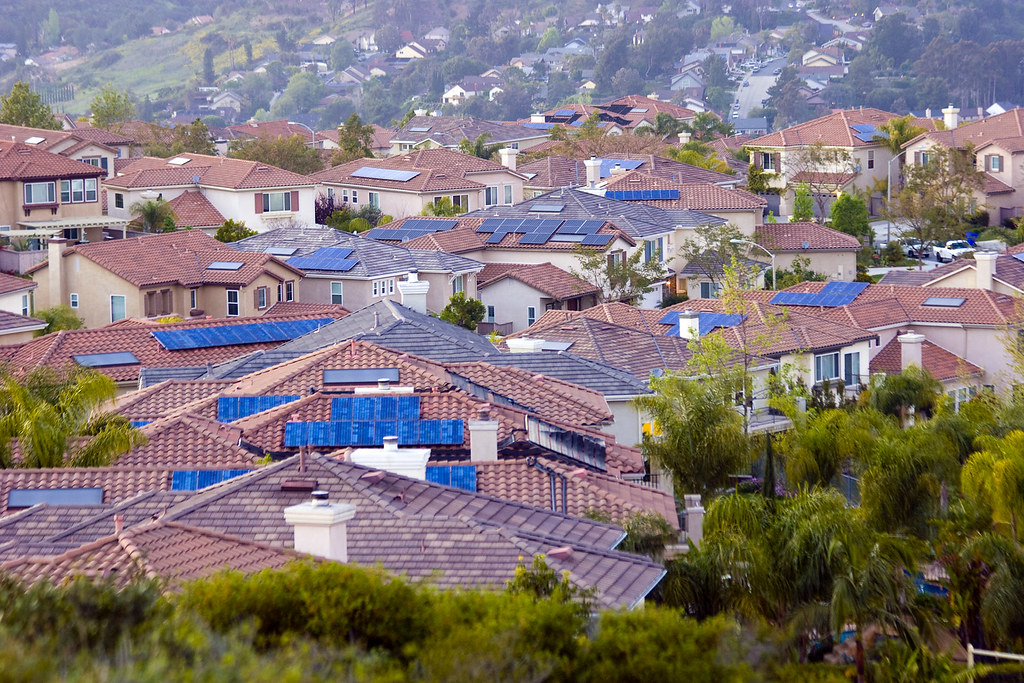
Why solar leads are the most expensive to lose
Solar leads cost $50 to $200 each and decay within hours, yet the national lead-to-appointment rate is only about 33%, meaning two-thirds of paid leads never book — a loss automation recovers by following up instantly and nurturing across the decision window.
Solar is a high-ticket, high-competition game. A single lead can cost $150, the homeowner is comparing three installers, and the decision window is 1 to 6 weeks. The team that calls first and stays in contact wins. Yet the national lead-to-appointment rate sits around 33%, which means two out of every three paid leads never become a site visit. That is not a lead-quality problem; it is a follow-up problem. Most solar teams call once, leave a voicemail, and move on. The lead, who was interested enough to submit a form, calls the next installer who actually answers. The dedicated playbook lives on our solar and green energy industry page.
The follow-up gap that wastes paid leads
The gap is not lead quality; it is that manual follow-up is slow and inconsistent. An automated sequence contacts every lead in seconds, qualifies by text, and books the appointment, recovering the leads manual calling loses.
| Step | Manual follow-up | Automated follow-up |
|---|---|---|
| First contact | Call within hours, voicemail | Text within seconds |
| Qualification | Phone tag for days | By text in minutes |
| Appointment booking | Manual calendar ping-pong | Real slots offered instantly |
| Nurture across window | Forgotten after 1 call | Multi-touch over 1–6 weeks |
| Dormant lead recovery | Rarely done | Automated re-engagement |
What a solar nurture sequence includes
A solar nurture sequence fires an instant text, qualifies the homeowner by text, sends a savings estimate, books the site visit, and nurtures across the decision window with reminders and re-engagement for dormant leads.
- Instant text-back within seconds of the lead arriving, branded with your company.
- Qualification questions by text: homeownership, roof condition, monthly electric bill.
- An automated savings estimate based on the answers to build urgency.
- Real appointment slots offered and booked into the rep's calendar automatically.
- Multi-touch nurture across the 1-to-6-week window with reminders and value drops.
- Re-engagement for dormant leads who stopped responding, to recover them before they sign elsewhere.
The speed-to-lead principle is the same one we cover in why speed-to-lead wins jobs in 90 seconds, and the broader nurture framework in lead nurturing automation sequence. Building the solar-specific conversational flows is real engineering work, which is why an expert AI automation engineer can architect the qualification, savings estimate, and booking flows that protect a $150 lead investment.
Setting it up in your CRM
Setup is a one-time build: route every lead source into one CRM, write the qualification and booking flows, set the nurture cadence, and connect the alerts, then every paid lead is contacted instantly and nurtured until it books or goes dormant-and-recovered.
- 1Route every lead source — forms, ads, calls — into one CRM with the lead's source tagged.
- 2Build the instant text-back that fires within seconds of arrival.
- 3Write the text qualification flow and the savings-estimate logic.
- 4Connect the booking calendar so real site-visit slots are offered and confirmed.
- 5Set the nurture cadence across the decision window and the dormant-lead re-engagement.
The nurture engine is part of the owned marketing system and the solar-specific build on the home page. Want to book more of the leads you already paid for? Book a free setup audit.
Key takeaways
- Solar leads cost $50–$200 each and decay within hours, yet the appointment rate is only ~33%.
- The gap is slow manual follow-up, not lead quality; automation recovers paid leads.
- A nurture sequence fires instant text-back, qualifies by text, sends a savings estimate, and books the visit.
- Multi-touch nurture across the 1–6-week window plus dormant-lead re-engagement lifts conversion.
- Setup is a one-time build that contacts and nurtures every lead inside an owned CRM.

Marjohn Robillo— AI Automation Engineer & Lead AI Consultant
Marjohn Robillo is the AI Automation Engineer and Lead AI Consultant at Apehx Digital, architecting speed-to-lead, conversational text-back, and AI-qualification systems for US service businesses. Portfolio & consulting: marjohnrobillo.me.
See more of Marjohn's workFrequently Asked Questions
What is a good lead-to-appointment rate for solar?
The national average is roughly 33%, meaning about two-thirds of solar leads never book an appointment. Automated instant follow-up and multi-touch nurturing can lift this significantly by recovering leads that decay when teams call manually days later.
How fast should a solar lead be contacted?
Within minutes. Solar leads are expensive and decay fast; a lead contacted in under 5 minutes books far more appointments than one called hours or days later. Automated text-back within seconds captures the lead before they shop competitors.
What should a solar lead nurture sequence include?
Instant text-back, qualification questions (homeownership, roof, electric bill), savings estimate, appointment booking, follow-up reminders, and re-engagement for dormant leads, all inside a CRM that scores readiness.
How much does a solar lead cost?
Solar leads typically cost $50 to $200 each depending on quality and source, which is why a low appointment rate is so expensive. Automating follow-up protects that investment by booking more of the leads you already paid for.
Can automation book solar appointments automatically?
Yes. An all-in-one CRM can qualify the lead by text, offer real appointment slots, book the site visit, and send a confirmation, all automatically, then alert the sales rep for the in-person close. See the [solar industry page](/industries/solar-green-energy).
More from the blog
Related guides in the same topic cluster.