Quick Answer
Solar speed-to-lead is how fast an installer responds to a new lead, and it is the single biggest driver of conversion in residential solar. A lead contacted within the first few minutes converts far higher than one called back after an hour, so instant text-back and a tight follow-up cadence recover the paid leads that slow manual calling quietly hands to a competitor.
Key Takeaways
- Within the first few minutes.
- Solar buyers often submit inquiries to several installers at once and sign with whoever responds first and shows up with a credible savings estimate.
- An automated SMS that fires the moment a new lead lands, acknowledging the homeowner and offering a quick call or savings estimate.
- Seven to fourteen days across phone, SMS, and email.
- Yes.
Definition
An automated SMS that fires the moment a new lead lands, acknowledging the homeowner and offering a quick call or savings estimate.
Solar speed-to-lead is how fast an installer responds to a new lead, and it is the single biggest driver of conversion in residential solar. A lead contacted within the first few minutes converts far higher than one called back after an hour, so instant text-back and a tight follow-up cadence recover the paid leads that slow manual calling quietly hands to a competitor.
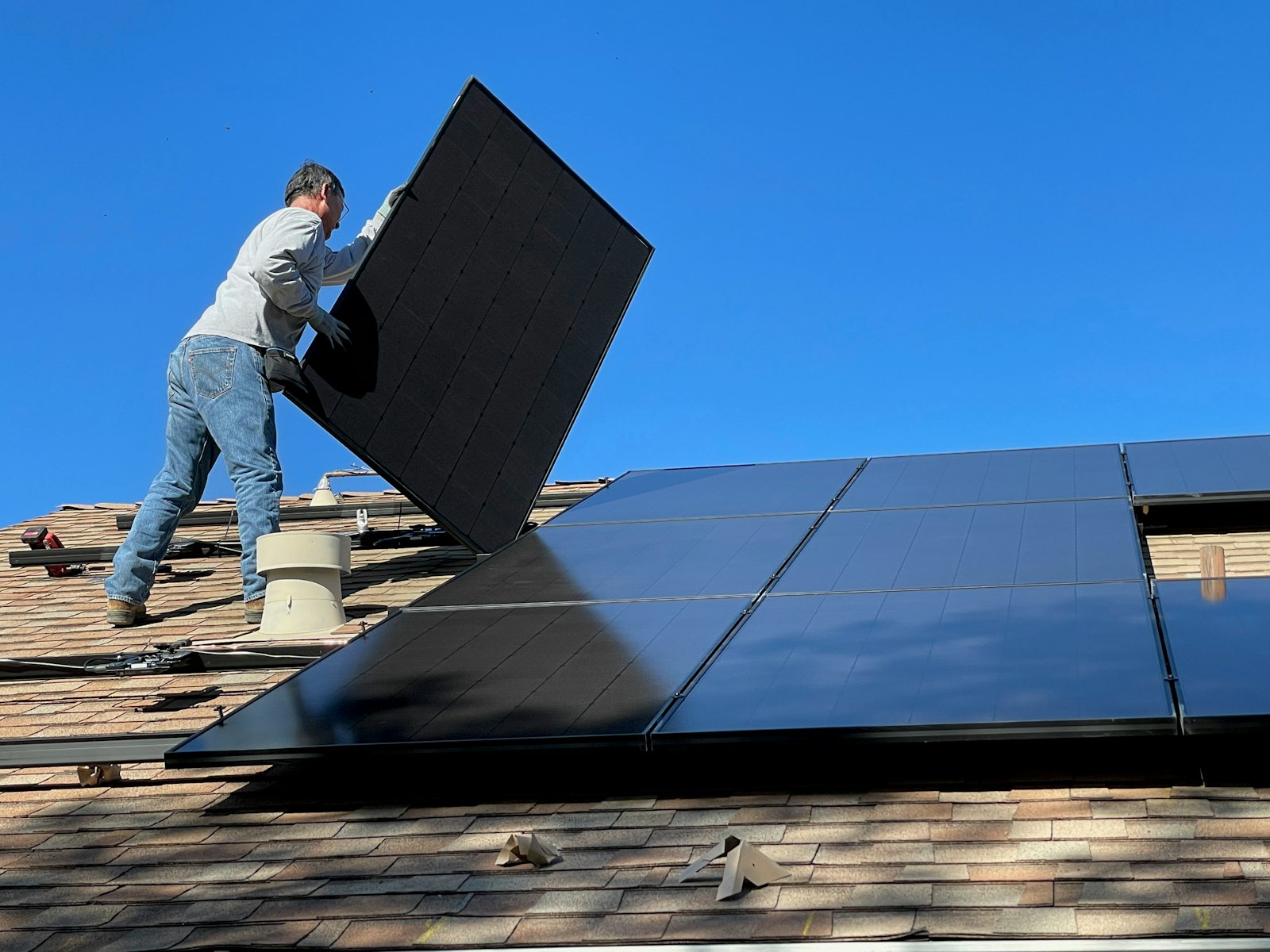
The first five minutes decide the installation
Solar buyers submit inquiries to several installers at once and sign with whoever responds first with a credible savings estimate. A lead contacted within the first few minutes converts far higher than one called back after an hour, so speed is the single biggest lever in residential solar conversion.
An installer I worked with had a two-hour average response time and was losing nearly every Facebook lead. We added an instant text-back that fired the second a lead landed, and a rep followed up within ten minutes. Close rate on those leads tripled within a month. The leads had not changed; the speed had. The same first-responder rule drives our speed-to-lead guide.
What slows solar lead response down
Most solar teams are on roofs or in installs when leads come in, so response time stretches into hours. Without an automated instant text-back, the lead goes cold and submits the same form to the next installer before anyone calls back.
| Delay | What happens | Recovery |
|---|---|---|
| Under 5 minutes | Lead is still warm, intent peaks | Highest conversion |
| 5 to 30 minutes | Lead is shopping competitors | Conversion drops fast |
| 1 to 4 hours | Lead has booked someone else | Mostly lost |
| Over 24 hours | Lead is cold or unreachable | Almost no conversion |
The instant text-back that wins the window
An instant text-back fires the moment a lead lands, acknowledging the homeowner and offering a quick call or savings estimate. It holds the lead while a rep follows up, so the window is never lost to a slow response.
- Fire an SMS within seconds of the lead landing, by name if available.
- Offer a quick call or a rough savings estimate to keep the lead engaged.
- Route the lead to the right rep and log it to the CRM automatically.
- If the rep cannot call in five minutes, send a second scheduled text.
- Enroll non-responders in a 7 to 14 day nurture of savings content.
Building the instant text-back and the cadence is engineering work, which is why an expert AI automation engineer configures the triggers, the routing, and the CRM sync so speed becomes a system. It works alongside our solar lead conversion rate guide.
Making speed a built-in system, not a discipline
Relying on reps to respond fast fails the moment someone is on a roof. When instant text-back and the follow-up cadence live inside the CRM, speed is built in, so every lead gets the same fast response regardless of who is available.
- 1Enable instant text-back on every lead source, not just paid ads.
- 2Route each lead to the right rep with the source tagged.
- 3Run the 7 to 14 day cadence automatically for non-responders.
- 4Track response time and close rate by source monthly.
- 5Reallocate budget to the sources that respond and close fastest.
That is what we build for installers on our solar industry page. It is one piece of the owned marketing engine model, built once for a single one-time fee. When you want speed wired into your CRM, book a free setup audit.
Key takeaways
- Solar leads contacted within minutes convert far higher than after an hour.
- Buyers submit to several installers and sign with whoever responds first.
- Most teams are on roofs when leads arrive, so response time stretches to hours.
- Instant text-back holds the lead while a rep follows up within the window.
- Inside an owned CRM, speed becomes a built-in system for about $48/month.

Marjohn Robillo— AI Automation Engineer & Lead AI Consultant
Marjohn Robillo is the AI Automation Engineer and Lead AI Consultant at Apehx Digital, architecting speed-to-lead, conversational text-back, and AI-qualification systems for US service businesses. Portfolio & consulting: marjohnrobillo.me.
See more of Marjohn's workFrequently Asked Questions
How fast should a solar lead be contacted?
Within the first few minutes. Solar leads contacted within minutes convert far higher than leads contacted after an hour, so an instant automated text-back is the only reliable way to hit that window when your team is on a roof or on another call.
Why is speed-to-lead so important in solar?
Solar buyers often submit inquiries to several installers at once and sign with whoever responds first and shows up with a credible savings estimate. A slow response hands the lead to the installer who replied in minutes.
What is instant text-back for solar leads?
An automated SMS that fires the moment a new lead lands, acknowledging the homeowner and offering a quick call or savings estimate. It keeps the lead warm until a rep can follow up, instead of letting it go cold.
How long should a solar follow-up cadence run?
Seven to fourteen days across phone, SMS, and email. Most solar leads need multiple touches to engage, so a short, intense cadence recovers far more paid leads than a single call that goes unanswered.
Does speed-to-lead work inside a solar CRM?
Yes. An all-in-one CRM fires instant text-back, runs the follow-up cadence, and tracks every lead to its source and close for about $48/month, so speed becomes a built-in system rather than a discipline.
More from the blog
Related guides in the same topic cluster.