Quick Answer
In 2026, approximately 85% of GLP-1 patients discontinue therapy within 2 years and only 8% remain on treatment at 3 years, despite 11% of US adults now using GLP-1 medications and 90% brand awareness. For weight loss clinics, this retention collapse is the largest revenue leak — automated refill reminders, rebooking, and adherence nudges are the proven fix, reactivating 12–22% of lapsing patients.
Key Takeaways
- Approximately 85% of GLP-1 patients discontinue therapy within 2 years, and only 8% remain on treatment at the 3-year mark.
- Approximately 11% of US adults have used or are using GLP-1 medications, with 90% brand awareness driven by widespread media coverage.
- The top reasons are cost, side effects, supply shortages, hitting a weight-loss plateau, and gaps in clinic follow-up.
- Automated refill reminders, adherence nudges, and rebooking sequences reactivate 12–22% of lapsing patients, and reduce 3-month drop-off by 30–40% when deployed consistently.
- A retained GLP-1 patient generates $3,000–$8,000+ in annual clinic revenue depending on the program, making retention 10–25x cheaper than new patient acquisition — see our [patient reactivation cost guide](/blog/patient-reactivation-cost-vs-acquisition).
Definition
A retained GLP-1 patient generates $3,000–$8,000+ in annual clinic revenue depending on the program, making retention 10–25x cheaper than new patient acquisition — see our [patient reactivation cost guide](/blog/patient-reactivation-cost-vs-acquisition).
In 2026, approximately 85% of GLP-1 patients discontinue therapy within 2 years and only 8% remain on treatment at 3 years, despite 11% of US adults now using GLP-1 medications and 90% brand awareness. For weight loss clinics, this retention collapse is the largest revenue leak — automated refill reminders, rebooking, and adherence nudges are the proven fix, reactivating 12–22% of lapsing patients.
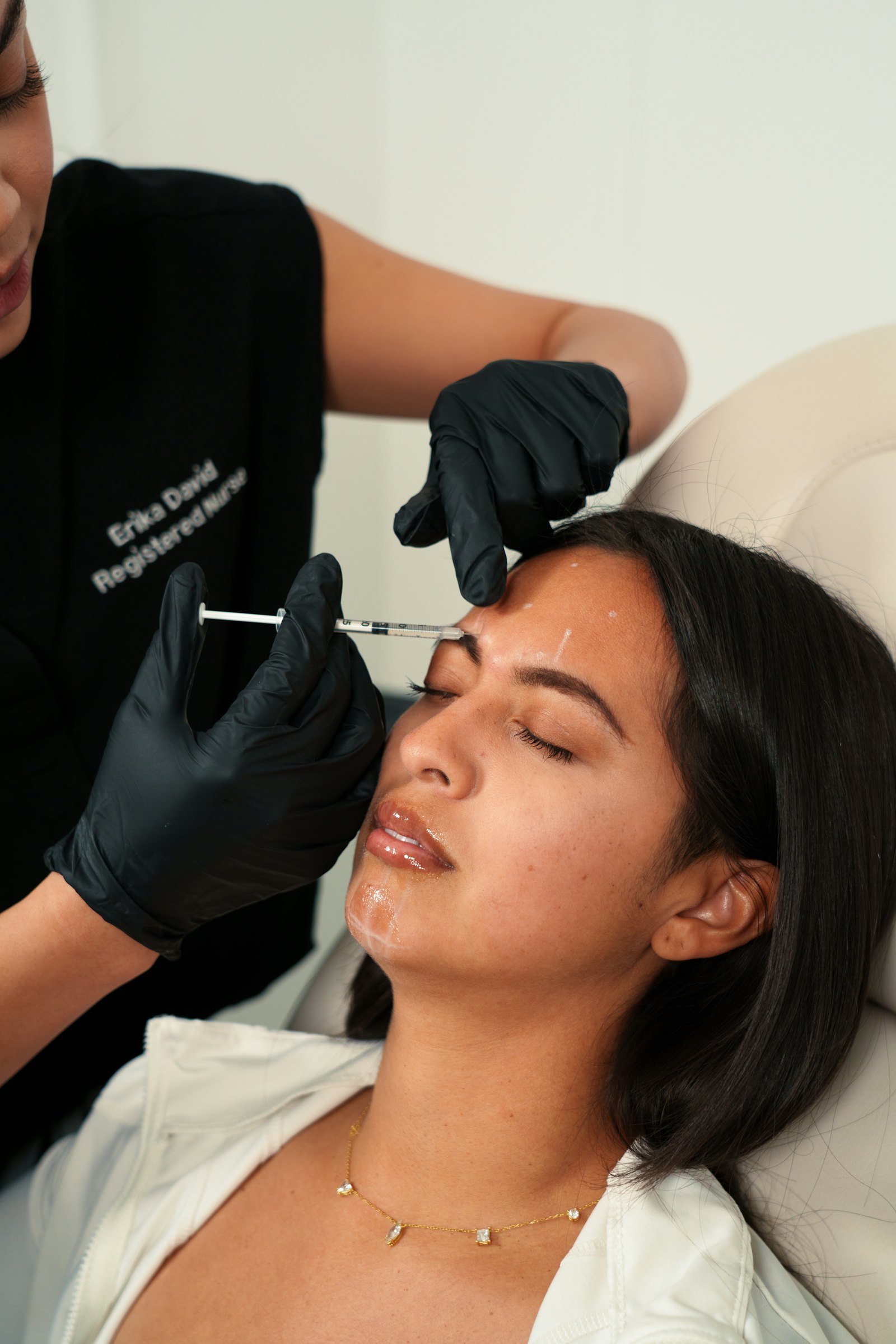
The GLP-1 retention cliff
GLP-1 therapies have explosive adoption but catastrophic retention: most patients quit within 24 months, eroding the recurring revenue clinics depend on.
GLP-1 medications like semaglutide and tirzepatide have become the highest-demand offering in the weight loss and med spa market. Awareness is near-universal and adoption is broad, but the clinical and financial reality is that retention collapses within 24 months. Clinics that treat GLP-1 as a one-time sale rather than a managed recurring relationship lose the majority of their patient base. Our GLP-1 patient retention automation guide and dedicated weight loss clinics industry page cover the full retention system.
Why patients quit — and what's preventable
Most GLP-1 discontinuation traces to preventable causes: cost friction, side-effect anxiety, supply gaps, and clinic follow-up lapses — not clinical failure.
| Discontinuation Reason | Share of Drop-Offs | Preventable with Automation |
|---|---|---|
| Cost / insurance friction | ~30% | Partially (refill reminders, payment plans) |
| Side-effect anxiety | ~22% | Yes (education, check-in nudges) |
| Supply shortages / pharmacy gaps | ~18% | Partially (pharmacy routing alerts) |
| Weight-loss plateau / perceived failure | ~15% | Yes (progress tracking, dose review) |
| No clinic follow-up (clinic-side gap) | ~15% | Yes (automated rebooking) |
The clinic-side gap is the most actionable: 15% of drop-offs happen simply because no one followed up. Automated rebooking and adherence sequences close this. Our med spa rebooking automation and med spa membership retention guides apply the same mechanics to GLP-1 programs.
The revenue math of GLP-1 retention
A retained GLP-1 patient is worth $3,000–$8,000+ per year, and reactivating a lapsing patient costs ~$12 vs $312+ to acquire new — a 123:1 ROI on retention outreach.
- Annual patient value: $3,000–$8,000+ depending on program tier and duration.
- Reactivation cost: ~$12 per lapsing patient via automated SMS win-back.
- New patient acquisition: $312+ per patient — 25x more expensive than reactivation.
- Reactivation yield: 12–22% of dormant patients rebook with a 3-touch SMS sequence.
- Retention ROI: 123:1 for automated reactivation vs new acquisition.
The economics are unambiguous: retention automation pays for itself with a single reactivated patient. Clinics needing administrative support to manage GLP-1 programs can hire a virtual assistant for patient coordination. For compliance on GLP-1 marketing, see our GLP-1 med spa compliance guide.
The retention automation playbook
Build a three-layer retention system: adherence nudges during active therapy, refill reminders before lapse, and reactivation sequences for dormant patients.
- 1Send automated adherence and side-effect check-in texts in the first 90 days of therapy.
- 2Trigger refill reminder sequences 7 and 3 days before each dose runs out.
- 3Auto-rebook follow-up consultations at the 30-, 60-, and 90-day marks.
- 4Run a 3-touch SMS reactivation sequence for patients overdue by 45+ days — see customer reactivation win-back.
- 5Track retention rate and reactivation ROI inside your CRM with the marketing ROI dashboard guide.
A GLP-1 retention system is built into our owned marketing system: adherence nudges, refill reminders, rebooking, and reactivation for one setup fee and $48/month flat. Book a free setup audit to plug the 85% retention leak.
Key takeaways
- 85% of GLP-1 patients quit within 2 years; only 8% remain at 3 years.
- 11% of US adults use GLP-1s with 90% awareness — adoption is high, retention is low.
- 15% of drop-offs are purely a clinic-side follow-up gap, fully preventable.
- Reactivating a lapsing patient costs ~$12 vs $312+ to acquire new — a 123:1 ROI.
- Automated reactivation rebooks 12–22% of dormant GLP-1 patients.

Kent Orven— Operations Manager
Kent Orven is the Operations Manager at Apehx Digital, overseeing delivery, vendor relationships, and the owned-infrastructure model that replaces agency retainers.
See more of Kent's workFrequently Asked Questions
What percentage of GLP-1 patients quit within 2 years?
Approximately 85% of GLP-1 patients discontinue therapy within 2 years, and only 8% remain on treatment at the 3-year mark.
How many US adults use GLP-1 medications in 2026?
Approximately 11% of US adults have used or are using GLP-1 medications, with 90% brand awareness driven by widespread media coverage.
Why do GLP-1 patients stop treatment?
The top reasons are cost, side effects, supply shortages, hitting a weight-loss plateau, and gaps in clinic follow-up. Most discontinuation is preventable with proactive outreach.
How does automation improve GLP-1 patient retention?
Automated refill reminders, adherence nudges, and rebooking sequences reactivate 12–22% of lapsing patients, and reduce 3-month drop-off by 30–40% when deployed consistently.
What is the lifetime value of a retained GLP-1 patient?
A retained GLP-1 patient generates $3,000–$8,000+ in annual clinic revenue depending on the program, making retention 10–25x cheaper than new patient acquisition — see our [patient reactivation cost guide](/blog/patient-reactivation-cost-vs-acquisition).
More from the blog
Related guides in the same topic cluster.