Quick Answer
Reactivating a dormant patient who has not visited a dental or medical practice in 12 to 24 months costs between $10 and $25 using automated SMS and email recall sequences. In contrast, acquiring a new patient via paid ad channels averages $150 to $350+—making patient reactivation 15x to 25x more cost-effective.
Key Takeaways
- A patient is considered dormant or inactive if they have not completed a hygiene cleaning, annual exam, or follow-up treatment in 12 to 24 consecutive months.
- Automated 3-touch SMS and email reactivation campaigns successfully re-book 12% to 22% of dormant patients within 30 days.
- Reactivating 100 dormant hygiene patients generates an immediate $15,000 to $25,000 in diagnostic and cleaning fees, plus secondary restorative treatment value.
- Over 70% of dormant patients simply forgot to schedule their 6-month recall visit because the practice failed to send automated text reminders.
- An owned CRM filters inactive patient records and fires personalized 2-way SMS re-booking links automatically for $48/mo flat.
Definition
Reactivating a dormant dental or medical patient costs ~$12 compared to $312+ to acquire a brand-new patient.
Reactivating a dormant patient who has not visited a dental or medical practice in 12 to 24 months costs between $10 and $25 using automated SMS and email recall sequences. In contrast, acquiring a new patient via paid ad channels averages $150 to $350+—making patient reactivation 15x to 25x more cost-effective.
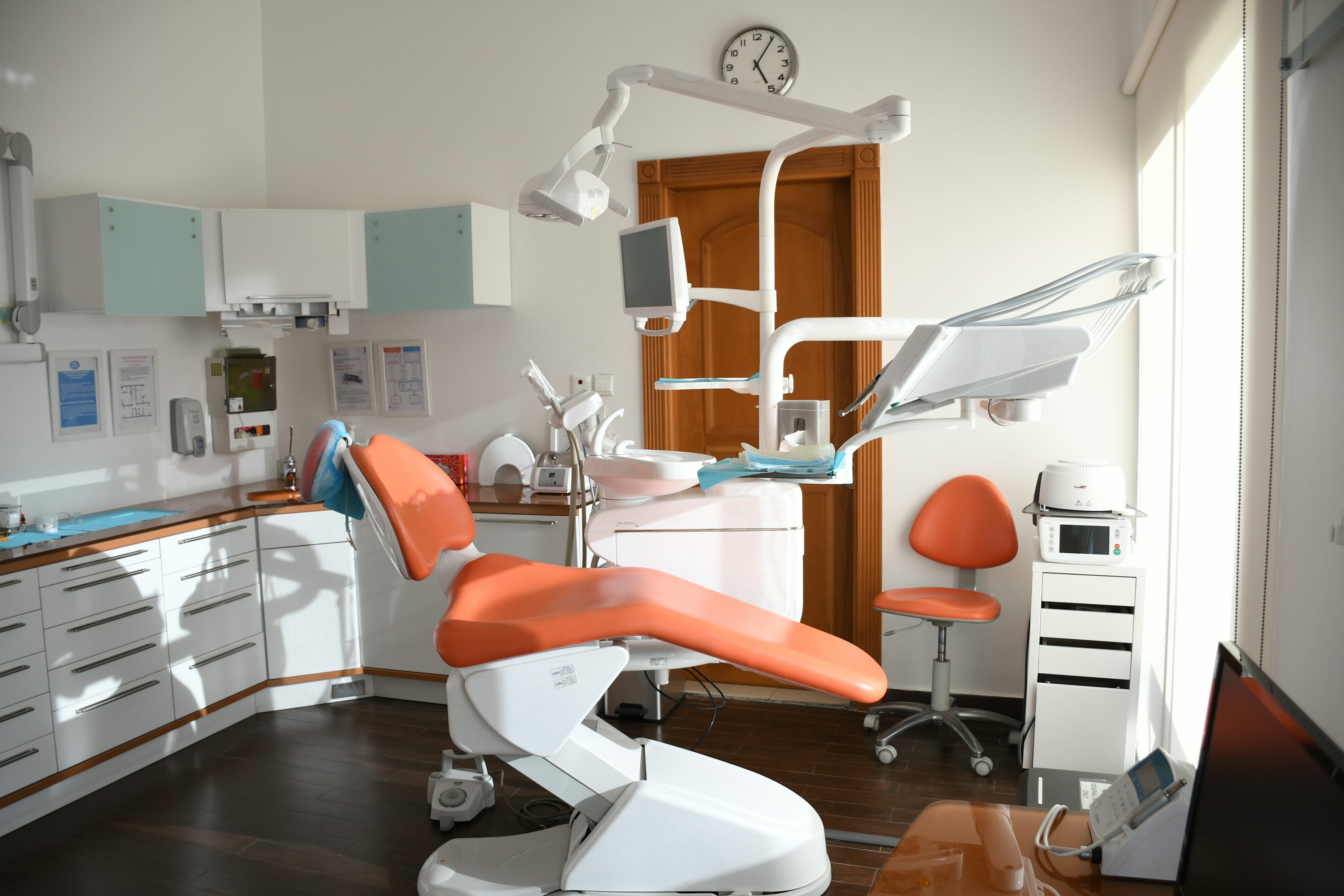
The massive financial advantage of patient reactivation
Reactivating existing patients who already trust your practice produces immediate chair revenue at a tiny fraction of new-patient acquisition ad costs.
Healthcare clinics and dental practices often spend thousands of dollars each month on Google PPC and Facebook ads to bring in new patients. Meanwhile, thousands of inactive patient charts sit inside their practice management database gathering dust. A patient who visited your clinic two years ago already knows your staff and location—they do not need convincing with expensive ad creative. Sending automated, friendly 2-way SMS check-in texts reactivates these dormant charts for roughly $12 per booked patient. Compare these dynamics in our dental patient acquisition cost guide.
Patient reactivation vs new acquisition financial comparison
Compare key marketing and operational metrics between new patient acquisition and automated dormant win-back campaigns.
| Metric | New Patient Acquisition (PPC) | Automated Patient Reactivation | Advantage Factor |
|---|---|---|---|
| Avg Cost Per Booked Patient | $180–$350 | $10–$25 | 15x–25x Lower Cost |
| Booking Conversion Rate | $4%–8% (Web Traffic) | 14%–22% (Database) | 3x–4x Higher Conversion |
| Front-Desk Effort Required | High (Intake & Verification) | Minimal (Auto SMS Link) | 75% Less Staff Time |
| Time-to-First-Appointment | 7–14 Days | 1–3 Days | Immediate Chair Fill |
| Trust & Retention Rate | Moderate (New) | High (Established) | Superior Retention |
4 Pillars of a high-converting patient win-back campaign
Deploy this proven messaging framework to reactivate overdue patients without sounding aggressive.
- Personalized SMS Greeting: Address the patient by first name and reference their last visit timeframe.
- Low-Friction 1-Click Booking Link: Send a direct mobile link to your self-scheduling hygiene calendar.
- Care-Centric Framing: Focus messaging on health oral/wellness checks rather than sales promotions.
- 3-Touch Escalation Sequence: Send SMS Touch 1 on Day 1, SMS Touch 2 on Day 4, and Email Touch 3 on Day 8.
- Flat-Fee CRM Execution: Filter database charts and fire win-back texts inside an owned CRM for $48/mo flat.
Configuring automated patient database reactivation requires compliant CRM filtering. Review our chiropractic recall reactivation guide and optometry recall automation guide. Practice managers seeking administrative support can also hire a virtual assistant for schedule management.
How to launch your patient reactivation engine
Follow this 4-step execution guide to fill open hygiene chairs this week.
- 1Filter your practice database for patients with no completed visit in the last 12 to 24 months.
- 2Verify SMS opt-in consent and clean invalid phone numbers.
- 3Deploy a 3-touch automated SMS and email win-back sequence.
- 4Track booked appointments and chair revenue inside your ROI dashboard.
- 5Review tactics in our customer reactivation win-back guide.
Automating patient reactivation is a core component of our owned marketing system model: database win-backs, instant text-back, and review automation for $48/month flat. To unlock hidden revenue in your patient database, book a free setup audit.
Key takeaways
- Reactivating a dormant patient costs ~$12 vs $312+ for new ad acquisition.
- 70%+ of inactive patients simply forgot to book their 6-month recall visit.
- Automated 3-touch SMS sequences successfully re-book 12% to 22% of dormant charts.
- Reactivating 50 hygiene patients generates $18,500+ in immediate chair revenue.
- An owned CRM handles unlimited database win-back campaigns for $48/month flat.

Criselle Julian— Project Manager
Criselle Julian is a Project Manager at Apehx Digital, leading CRM, automation, and data-ownership builds for US service businesses from scoping through launch.
See more of Criselle's workFrequently Asked Questions
What defines a dormant patient in a medical or dental practice?
A patient is considered dormant or inactive if they have not completed a hygiene cleaning, annual exam, or follow-up treatment in 12 to 24 consecutive months.
What percentage of dormant practice patients can be reactivated?
Automated 3-touch SMS and email reactivation campaigns successfully re-book 12% to 22% of dormant patients within 30 days.
How much revenue does a 100-patient reactivation campaign generate?
Reactivating 100 dormant hygiene patients generates an immediate $15,000 to $25,000 in diagnostic and cleaning fees, plus secondary restorative treatment value.
Why do patients become dormant in the first place?
Over 70% of dormant patients simply forgot to schedule their 6-month recall visit because the practice failed to send automated text reminders.
How does an owned CRM run patient win-back campaigns?
An owned CRM filters inactive patient records and fires personalized 2-way SMS re-booking links automatically for $48/mo flat.
More from the blog
Related guides in the same topic cluster.