Quick Answer
In 2026, the average patient acquisition cost (CAC) for general dental practices ranges from $150 to $300 per new patient, while high-value cosmetic and implant patients average $450 to $900 each. With a median general dental patient lifetime value (LTV) of $12,000+, healthy practices maintain an LTV:CAC ratio of at least 40:1.
Key Takeaways
- For general dentistry, a CAC under $200 per new patient is excellent.
- An active general dental patient stays with a practice for 7 to 10 years, generating between $10,000 and $15,000 in total diagnostic, preventive, and restorative revenue.
- Dental front desks miss up to 35% of incoming calls during lunch hours and morning rushes.
- Automated patient reactivation campaigns and local Google Map Pack rankings produce new and returning patients at the lowest acquisition cost ($10–$45 per patient).
- An owned CRM automates instant missed-call text-back and online self-scheduling for $48/mo flat, converting ad clicks into booked chair time without per-lead commissions.
Definition
For general dentistry, a CAC under $200 per new patient is excellent.
In 2026, the average patient acquisition cost (CAC) for general dental practices ranges from $150 to $300 per new patient, while high-value cosmetic and implant patients average $450 to $900 each. With a median general dental patient lifetime value (LTV) of $12,000+, healthy practices maintain an LTV:CAC ratio of at least 40:1.
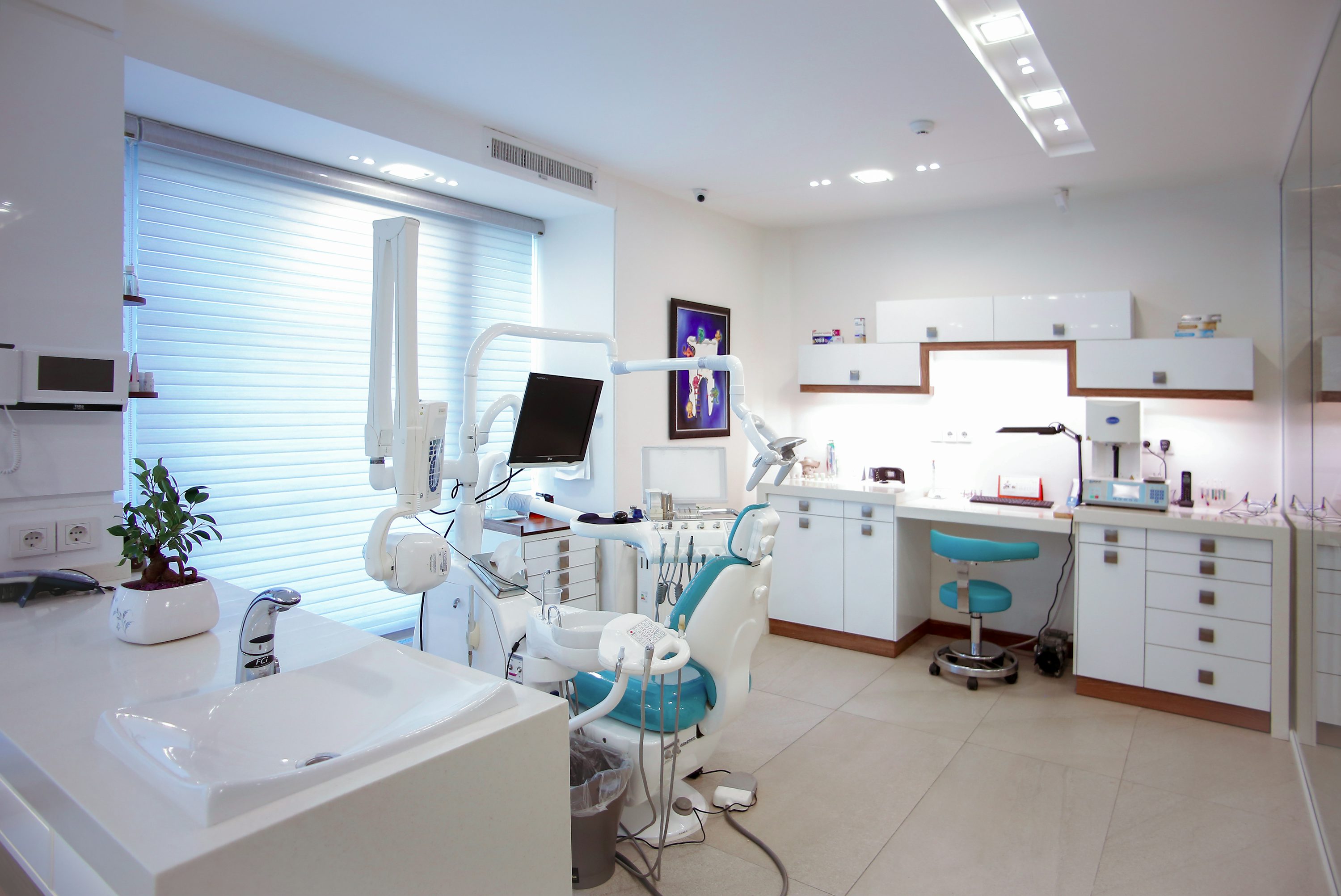
Understanding dental patient acquisition economics
Evaluating acquisition cost alongside 10-year patient lifetime value shows why investing in automated front-desk speed-to-lead produces massive practice equity.
Dental practice growth depends on replacing natural annual patient attrition (typically 10% to 15%) with high-intent new patients. However, ad competition on Google and Meta has driven up pay-per-click rates for keywords like 'dentist near me' and 'dental implants'. Practices that rely solely on paid ads without automated follow-up see acquisition costs climb toward $350 per new patient. Integrating automated texting and self-scheduling ensures ad dollars translate into confirmed chair appointments. See our dental new patient automation guide.
Dental acquisition metrics by treatment procedure
Compare lead acquisition costs, conversion rates, and lifetime value across key dental procedure categories.
| Procedure Category | Avg Cost Per Lead (CPL) | Avg Acquisition Cost (CAC) | Patient Lifetime Value (LTV) | Target LTV:CAC Ratio |
|---|---|---|---|---|
| General / Hygiene | $35–$65 | $150–$220 | $12,250 | 55:1 |
| Invisalign / Ortho | $75–$140 | $350–$550 | $5,500–$7,500 | 11:1 |
| Dental Implants | $120–$220 | $600–$950 | $15,000–$35,000 | 25:1 |
| Cosmetic / Veneers | $90–$160 | $400–$700 | $8,000–$20,000 | 20:1 |
| Reactivation Campaign | $5–$15 | $12–$28 | $4,500+ | 160:1 |
4 Proven strategies to slash dental patient acquisition costs
Lower your practice CAC by fixing front-desk call leakage and activating automated recall campaigns.
- Deploy Instant Missed-Call Text-Back: Text back callers within 15 seconds during lunch hours and busy check-ins.
- Enable Online Self-Scheduling: Allow new patients to book cleanings 24/7 directly from Google Search.
- Launch Reactivated Hygiene Campaigns: Text overdue recall patients automatically to fill open hygiene chairs for under $15/patient.
- Automate Google Review Requests: Send 1-click text review links after appointments to boost local Map Pack rankings.
- Run an Owned CRM Engine: Consolidate patient messaging and booking for $48/mo flat without per-lead commissions.
Configuring HIPAA-compliant patient communication systems requires specialized healthcare workflow design. Learn how in our HIPAA-compliant CRM guide. Dental practice managers seeking administrative support can also hire a virtual assistant for schedule management.
Calculate and optimize your practice CAC roadmap
Execute this 4-step framework to audit acquisition spend and maximize chair-time profitability.
- 1Divide total monthly marketing spend by the number of verified new patients seen.
- 2Audit phone logs to identify peak missed-call hours at the front desk.
- 3Deploy automated text-back and self-scheduling software inside an owned CRM account.
- 4Run automated reactivation sequences for patients overdue for 6-month hygiene visits.
- 5Compare benchmarks against our patient reactivation cost guide.
Lowering dental patient acquisition cost is built into our owned marketing system model: automated text-back, self-scheduling, and review requests for a single setup fee and $48/month flat. Book a free setup audit to optimize your clinic's lead conversion.
Key takeaways
- Acquiring a general dental patient costs $150–$220 vs $12,250+ average lifetime value.
- Missed front-desk phone calls during lunch rushes inflate CAC by 30% to 50%.
- Automated missed-call text-back recovers lost new patient leads within 15 seconds.
- Hygiene patient reactivation campaigns yield new appointments at under $25 each.
- An owned CRM replaces expensive dental marketing agencies with a flat $48/mo system.

Criselle Julian— Project Manager
Criselle Julian is a Project Manager at Apehx Digital, leading CRM, automation, and data-ownership builds for US service businesses from scoping through launch.
See more of Criselle's workFrequently Asked Questions
What is a good Customer Acquisition Cost (CAC) for a dental practice?
For general dentistry, a CAC under $200 per new patient is excellent. For dental implants, Invisalign, and full-mouth reconstructions, a CAC under $600 yields strong profitability.
What is the average lifetime value (LTV) of a dental patient?
An active general dental patient stays with a practice for 7 to 10 years, generating between $10,000 and $15,000 in total diagnostic, preventive, and restorative revenue.
How do missed calls inflate dental patient acquisition costs?
Dental front desks miss up to 35% of incoming calls during lunch hours and morning rushes. Every missed call burns $150 to $300 in ad spend while handing the patient to a competing clinic.
What dental marketing channel produces the lowest acquisition cost?
Automated patient reactivation campaigns and local Google Map Pack rankings produce new and returning patients at the lowest acquisition cost ($10–$45 per patient).
How does an owned CRM reduce dental patient acquisition cost?
An owned CRM automates instant missed-call text-back and online self-scheduling for $48/mo flat, converting ad clicks into booked chair time without per-lead commissions.
More from the blog
Related guides in the same topic cluster.