Quick Answer
In 2026, 37% of rebooked-once med spa appointments cancel — a phenomenon called 'calendar inflation' — but the cancellation rate collapses to just 4% after a patient completes a second rebook. Automated deposits, 2-way SMS confirmations, and a two-appointment rebooking protocol cut med spa no-shows below 3% and recover thousands in monthly revenue.
Key Takeaways
- Med spas see a 37% cancellation rate among rebooked-once appointments, but that rate drops to just 4% after a patient completes a second rebook — a phenomenon called calendar inflation.
- The average med spa no-show rate is 15% without deposits or confirmations, falling below 3% with mandatory $50–$100 deposits and automated 2-way SMS reminders.
- Rebooked-once patients have lower commitment than multi-visit patients.
- Mandatory $50–$100 deposits create financial commitment, cutting no-shows from 15% to below 3% and recovering the revenue that no-shows otherwise destroy.
- Patients who complete a second rebook show only a 4% cancellation rate vs 37% for rebooked-once patients — making multi-visit protocol design critical to med spa revenue.
Definition
Med spas see a 37% cancellation rate among rebooked-once appointments, but that rate drops to just 4% after a patient completes a second rebook — a phenomenon called calendar inflation.
In 2026, 37% of rebooked-once med spa appointments cancel — a phenomenon called 'calendar inflation' — but the cancellation rate collapses to just 4% after a patient completes a second rebook. Automated deposits, 2-way SMS confirmations, and a two-appointment rebooking protocol cut med spa no-shows below 3% and recover thousands in monthly revenue.
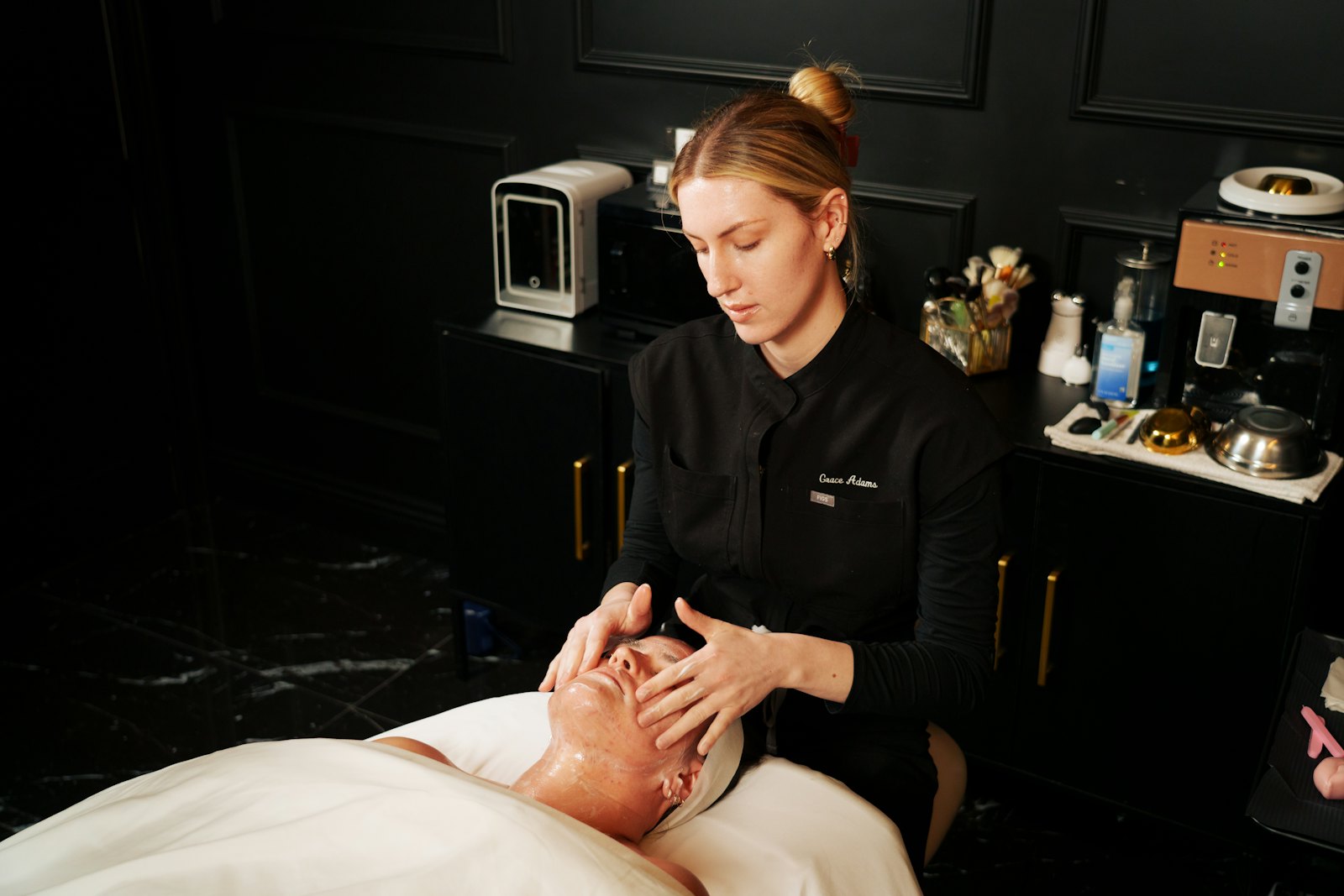
Calendar inflation: the hidden med spa revenue leak
A full calendar can still lose money when 37% of those rebooked-once appointments cancel — calendar inflation disguises a structural revenue leak.
Med spas often feel booked solid yet struggle with revenue consistency. The cause is calendar inflation: front desks rebook patients once, but a single rebook carries a 37% cancellation rate. The schedule looks full, but a third of those slots evaporate. The fix is structural, not motivational — it requires deposits, automated confirmation, and a two-appointment rebooking protocol. Our med spa rebooking automation guide and dedicated med spa & aesthetics industry page cover the system.
Cancellation and no-show benchmarks
Quantify the leak with the cancellation and no-show rates for each rebooking stage and intervention.
| Scenario | Cancellation / No-Show Rate | Revenue Impact (3-room spa) |
|---|---|---|
| Rebooked-once, no deposit | 37% cancel | ~$120k/yr lost |
| No deposit, no confirmation | 15% no-show | ~$48k/yr lost |
| With $50–$100 deposit | <3% no-show | Recovered |
| After 2nd rebook completed | 4% cancel | Stable recurring revenue |
| With 2-way SMS confirmation | 8–12% cancel | Partially recovered |
A 3-room med spa loses roughly $120,000+ per year to no-shows and cancellations. Our med spa no-show cost guide sizes the leak precisely, and med spa no-show reduction automation covers the technical fix.
Why the second rebook changes everything
The 37% → 4% drop after a second rebook reveals that commitment is built through repetition — making multi-visit protocol design the lever, not single rebooking.
- Rebooked-once patients: 37% cancel — low commitment, optional mindset.
- After second rebook: 4% cancel — established habit, strong commitment.
- Deposits: cut no-shows from 15% to under 3% via financial skin in the game.
- 2-way SMS confirmations: reduce cancellations to 8–12% by confirming intent.
- Membership patients: lowest cancellation rates due to recurring commitment — see med spa membership retention.
The implication is operational: design rebooking so patients reach the second-rebook threshold quickly. Med spa managers needing administrative support can hire a virtual assistant for scheduling and confirmation workflows.
The rebooking and cancellation fix: 5 steps
Cut cancellations below 3% by combining deposits, automated confirmation, and a protocol that pushes patients past the second-rebook threshold.
- 1Require a $50–$100 deposit on all injectable and high-value appointments to create financial commitment.
- 2Send automated 2-way SMS confirmations 48 and 24 hours before each appointment.
- 3Rebook patients before they leave the office, targeting the second-rebook threshold — see salon and spa rebooking automation.
- 4Auto-fill cancellations from a waitlist within minutes — see beauty clinic online booking automation.
- 5Track cancellation rate and recovered revenue with the marketing ROI dashboard guide.
A rebooking and cancellation system is built into our owned marketing system: deposits, 2-way SMS confirmation, waitlist auto-fill, and membership protocols for one setup fee and $48/month flat. Book a free setup audit to plug the calendar inflation leak.
Key takeaways
- 37% of rebooked-once med spa appointments cancel — calendar inflation.
- After a second rebook, the cancellation rate collapses to just 4%.
- Mandatory deposits cut no-shows from 15% to below 3%.
- A 3-room med spa loses $120k+/year to no-shows and cancellations.
- 2-way SMS confirmations and a two-appointment protocol are the structural fix.

Criselle Julian— Project Manager
Criselle Julian is a Project Manager at Apehx Digital, leading CRM, automation, and data-ownership builds for US service businesses from scoping through launch.
See more of Criselle's workFrequently Asked Questions
What is the average med spa cancellation rate in 2026?
Med spas see a 37% cancellation rate among rebooked-once appointments, but that rate drops to just 4% after a patient completes a second rebook — a phenomenon called calendar inflation.
What is the average med spa no-show rate?
The average med spa no-show rate is 15% without deposits or confirmations, falling below 3% with mandatory $50–$100 deposits and automated 2-way SMS reminders.
Why do rebooked-once patients cancel so often?
Rebooked-once patients have lower commitment than multi-visit patients. Without a deposit or strong confirmation, they treat the appointment as optional — calendar inflation inflates the schedule with low-commitment holds.
How do deposits reduce med spa no-shows?
Mandatory $50–$100 deposits create financial commitment, cutting no-shows from 15% to below 3% and recovering the revenue that no-shows otherwise destroy.
How does a second rebook change cancellation behavior?
Patients who complete a second rebook show only a 4% cancellation rate vs 37% for rebooked-once patients — making multi-visit protocol design critical to med spa revenue.
More from the blog
Related guides in the same topic cluster.