Quick Answer
Google Ads vs Facebook Ads for small business in 2026 comes down to intent: Google captures active searchers at roughly $5 per click (high purchase intent), while Facebook generates demand at lower CPCs but lower immediate intent. The right answer is rarely one or the other — Google for ready-to-buy intent, Facebook for demand generation and retargeting — and both should run to owned landing pages so leads flow into your own CRM with an instant text-back, rather than renting traffic that vanishes when the ad spend stops. The owned capture layer at $48/month flat is what makes either channel profitable.
Key Takeaways
- Google for high purchase intent (active searchers), Facebook for demand generation and retargeting — most profitable small businesses run both to owned landing pages.
- Google Ads average ~$5/click but vary by industry — see our [Google Ads cost per click by industry 2026](/blog/google-ads-cost-per-click-by-industry-2026) breakdown.
- Facebook lead ads cost $15–$45 per lead but need instant follow-up — see our [Facebook lead ads instant follow-up](/blog/facebook-lead-ads-instant-follow-up) guide.
- Yes — Google captures intent, Facebook generates and retargets demand, and both should point to owned landing pages so leads stay exclusive.
- Point every ad to an owned landing page with an instant text-back so leads are captured in 15 seconds and nurtured — owned capture at $48/mo is what makes the ad spend pay.
Definition
Google Ads capture high purchase intent at ~$5/click; Facebook generates demand at lower CPCs.
Google Ads vs Facebook Ads for small business in 2026 comes down to intent: Google captures active searchers at roughly $5 per click (high purchase intent), while Facebook generates demand at lower CPCs but lower immediate intent. The right answer is rarely one or the other — Google for ready-to-buy intent, Facebook for demand generation and retargeting — and both should run to owned landing pages so leads flow into your own CRM with an instant text-back, rather than renting traffic that vanishes when the ad spend stops. The owned capture layer at $48/month flat is what makes either channel profitable.
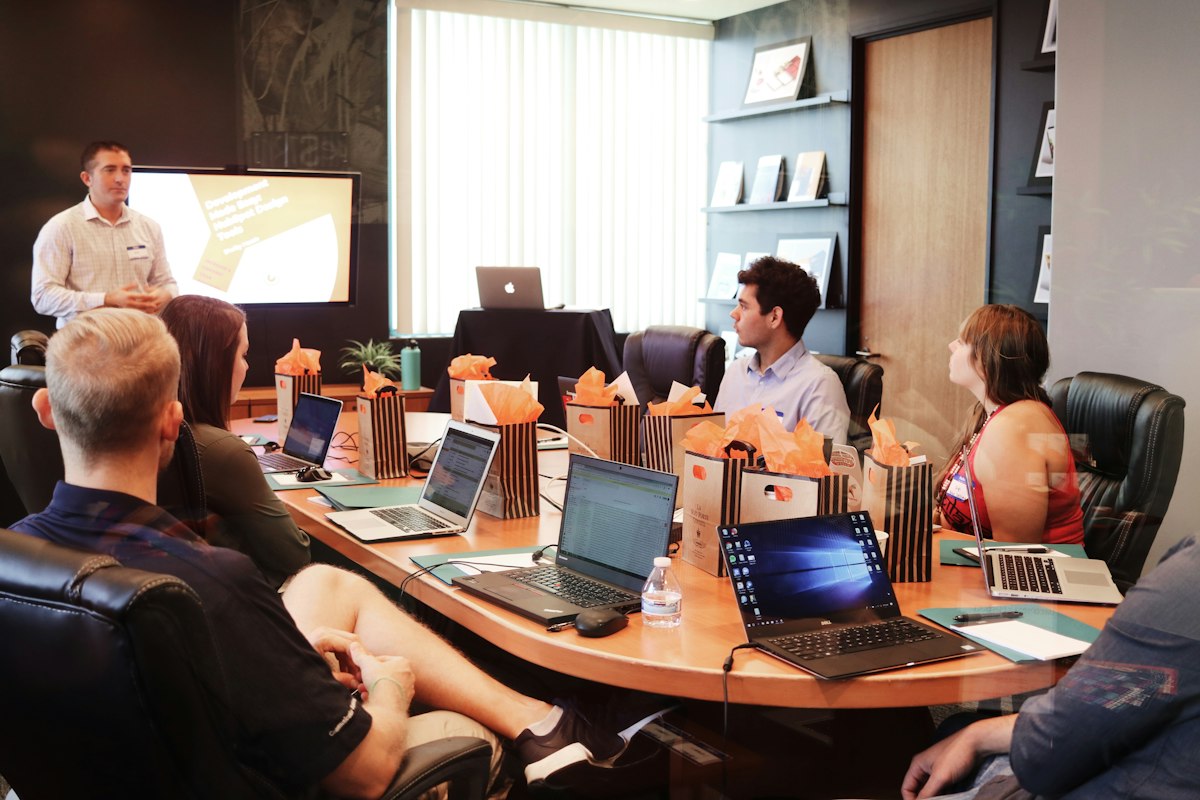
The intent vs demand distinction
Google captures people searching for a solution; Facebook shows a solution to people who weren't searching — both work, for different stages.
The Google-vs-Facebook debate is really an intent-vs-discovery debate. Google Ads intercept buyers at the moment of need; Facebook Ads create awareness and re-engage visitors. A profitable small business uses both, but routes both to the same owned capture system so leads don't vanish. Our Google Ads for contractors, Google Ads cost per click by industry 2026, and Facebook lead ads instant follow-up guides cover each channel; this post compares them head to head. Managing paid media and capture is administration work — teams needing it can hire a virtual assistant, and CRM expert VAs specialize in ad-to-CRM wiring.
Google Ads vs Facebook Ads comparison (2026)
Compare intent, cost-per-click, cost-per-lead, and best use to build a profitable two-channel mix.
| Dimension | Google Ads | Facebook Ads |
|---|---|---|
| Intent | High (active search) | Lower (discovery) |
| Avg cost-per-click | ~$5 | Lower CPC |
| Cost-per-lead | $15–$40 | $15–$45 |
| Best for | Ready-to-buy demand | Demand gen + retargeting |
| Creative load | Text-focused | Image/video-heavy |
Google wins when someone is already searching 'HVAC repair near me'; Facebook wins when you need to generate awareness or retarget website visitors. See our Google local services ads cost, Yelp ads cost, and Nextdoor ads cost comparisons for the full paid-local set.
Where each ad platform fits the funnel
Match the platform to the funnel stage — Google for bottom-funnel intent, Facebook for top- and mid-funnel generation.
- Google Ads: bottom-funnel — capture active searchers ready to buy now.
- Facebook Ads: top-funnel — generate awareness and reach new audiences.
- Facebook retargeting: mid-funnel — re-engage website visitors who didn't convert.
- Google LSAs: high-intent pay-per-lead above standard Google Ads.
- Both → owned landing pages: so leads stay exclusive and get instant follow-up.
The common failure is running ads to a homepage or a directory listing where leads leak — see the who owns your marketing assets framework and lead aggregators vs owned leads breakdown for why owned capture matters.
Building a profitable two-channel ad system in 5 steps
Run Google for intent and Facebook for generation, both to owned landing pages with instant capture and nurture.
- 1Build an owned landing page per service so every ad points to your property, not a directory.
- 2Run Google Ads for high-intent search terms and Facebook Ads for demand generation and retargeting.
- 3Connect every landing page to a CRM with a 15-second missed-call text-back.
- 4Automate a 5-touch follow-up cadence so no ad lead is left to a single contact — see contractor lead follow-up strategy.
- 5Track cost-per-acquired-job per channel in your marketing ROI dashboard.
The owned capture system behind both ad channels is built into our owned marketing system: landing pages, instant text-back, 5-touch nurture, and CRM for one setup fee and $48/month flat. Book a free setup audit to make your ad spend profitable.
Key takeaways
- Google Ads capture high purchase intent at ~$5/click; Facebook generates demand.
- The profitable play is both — Google for intent, Facebook for generation and retargeting.
- Run both to owned landing pages so leads stay exclusive and get instant follow-up.
- Owned capture at $48/mo is what makes either ad channel profitable.
- Automate a 5-touch follow-up cadence so no ad lead depends on a single contact.

Criselle Julian— Project Manager
Criselle Julian is a Project Manager at Apehx Digital, leading CRM, automation, and data-ownership builds for US service businesses from scoping through launch.
See more of Criselle's workFrequently Asked Questions
Are Google Ads or Facebook Ads better for small business?
Google for high purchase intent (active searchers), Facebook for demand generation and retargeting — most profitable small businesses run both to owned landing pages.
How much do Google Ads cost per click in 2026?
Google Ads average ~$5/click but vary by industry — see our [Google Ads cost per click by industry 2026](/blog/google-ads-cost-per-click-by-industry-2026) breakdown.
How much do Facebook Ads cost per lead?
Facebook lead ads cost $15–$45 per lead but need instant follow-up — see our [Facebook lead ads instant follow-up](/blog/facebook-lead-ads-instant-follow-up) guide.
Should you run Google and Facebook ads together?
Yes — Google captures intent, Facebook generates and retargets demand, and both should point to owned landing pages so leads stay exclusive.
How do you make paid ads profitable for a small business?
Point every ad to an owned landing page with an instant text-back so leads are captured in 15 seconds and nurtured — owned capture at $48/mo is what makes the ad spend pay. [Book a free setup audit](/book).
More from the blog
Related guides in the same topic cluster.