Quick Answer
In 2026, storm-damage roofing leads convert 3–4× higher than standard leads, and 25–35% close when contacted within 24 hours—but only if the roofer stays on the claim through approval. The winners automate claim-status follow-up: after the initial inspection, automated check-ins keep the homeowner engaged through the insurance approval process so the job doesn't slip to a competitor who calls first. The process is speed to lead on the front end and persistence on the back end.
Key Takeaways
- They convert 3–4× higher than standard roofing leads because the damage is urgent, the insurance funding is secured, and the homeowner is actively seeking a contractor—unlike a cold lead who may just be price-shopping.
- Within 24 hours.
- The insurance approval process takes weeks, and most roofers go silent on the claim.
- A sequence of automated check-ins—SMS and email—that keep the homeowner engaged through the insurance approval process, so the job stays with you instead of slipping to a competitor.
- We build instant lead response, claim-status follow-up, and CRM tracking for one build fee and $48/mo flat.
Definition
A sequence of automated check-ins—SMS and email—that keep the homeowner engaged through the insurance approval process, so the job stays with you instead of slipping to a competitor.
In 2026, storm-damage roofing leads convert 3–4× higher than standard leads, and 25–35% close when contacted within 24 hours—but only if the roofer stays on the claim through approval. The winners automate claim-status follow-up: after the initial inspection, automated check-ins keep the homeowner engaged through the insurance approval process so the job doesn't slip to a competitor who calls first. The process is speed to lead on the front end and persistence on the back end.
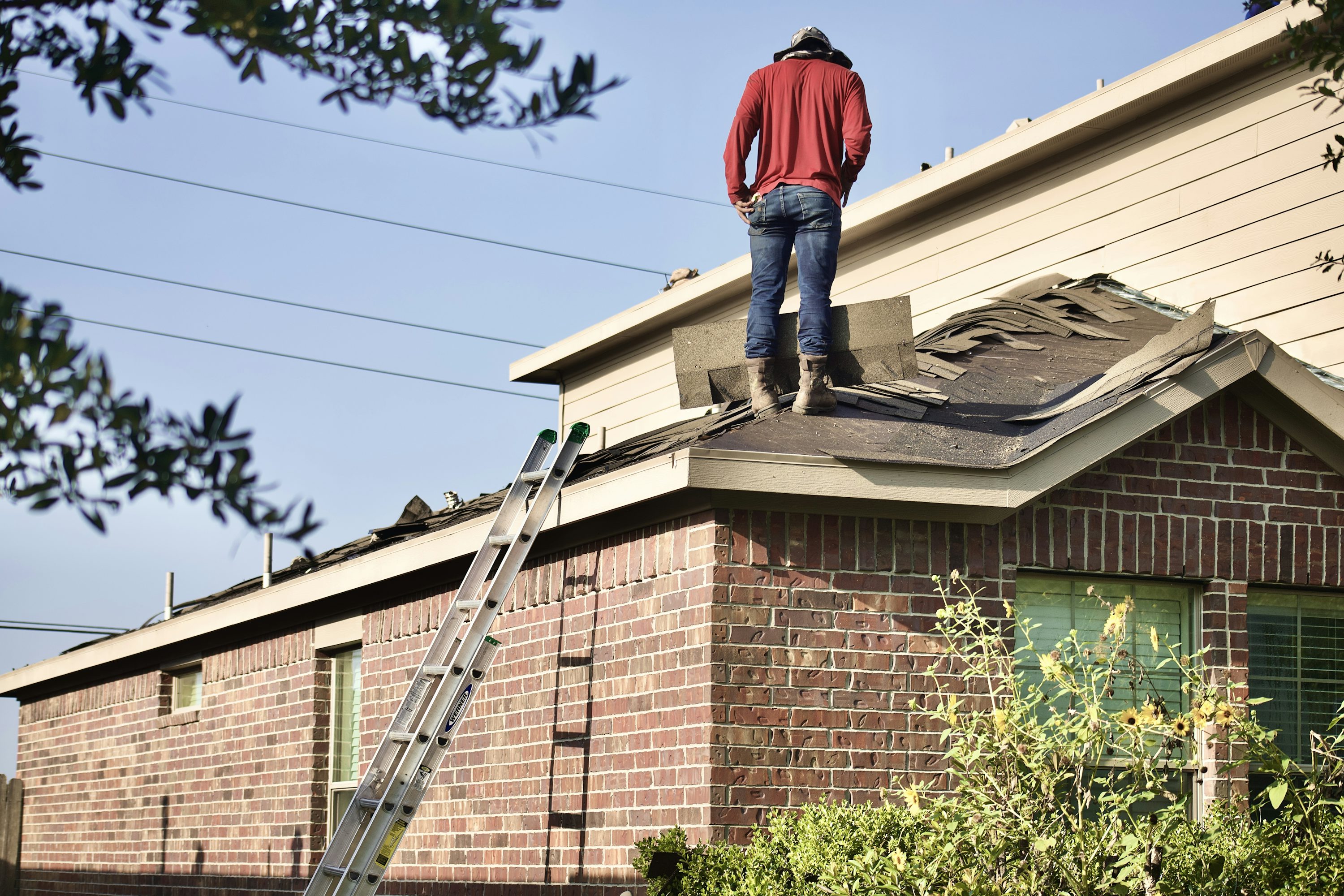
The storm lead that goes cold
Roofers chase the storm, inspect the roof, then go silent for weeks while insurance approves—losing the job to whoever calls next.
Storm season is the highest-leverage moment in roofing: leads convert 3–4× higher because the damage is urgent and the insurance funding is secured. But the insurance approval process takes weeks, and most roofers inspect the roof, submit the paperwork, then go silent. The homeowner, hearing nothing, assumes the roofer lost interest and calls the next contractor on the list. Automated claim-status follow-up fixes the silence. An experienced AI automation engineer can wire the instant response and the claim-status sequence in one build.
Silent vs automated claim follow-up
One inspects and disappears; the other stays engaged through approval.
| Stage | Silent Roofer | Automated Follow-Up |
|---|---|---|
| Initial contact | Days later | Within 24 hours |
| Post-inspection | Goes silent | Automated check-ins |
| During approval | No contact | Weekly status touch |
| Close rate | Drops sharply | 25–35% maintained |
Pair this with our roofing speed to lead and roofing storm damage lead automation guides for the full storm playbook.
How to automate the storm-lead process
Respond in 24 hours, then automate the claim-status sequence so the job doesn't slip.
- 1Fire an instant response the moment a storm lead comes in—within 24 hours, the high-conversion window.
- 2Automate claim-status check-ins weekly through the insurance approval process so the homeowner stays engaged.
- 3Log every touch in the CRM so no storm lead can quietly slip to a competitor.
- 4Trigger a booking request the moment the claim is approved so the job closes immediately.
Our owned marketing system builds instant lead response, claim-status follow-up, and CRM tracking for one build fee and $48/mo flat. Ready to win more storm jobs? Book a free strategy session.
Key Takeaways on Roofing Claim Follow-Up
- Storm leads convert 3–4× higher than standard roofing leads.
- 25–35% close when contacted within 24 hours.
- Automated claim-status follow-up keeps the job from slipping.
- Apehx automates the full storm-lead process for $48/mo flat.

Marjohn Robillo— AI Automation Engineer & Lead AI Consultant
Marjohn Robillo is the AI Automation Engineer and Lead AI Consultant at Apehx Digital, architecting speed-to-lead, conversational text-back, and AI-qualification systems for US service businesses. Portfolio & consulting: marjohnrobillo.me.
See more of Marjohn's workFrequently Asked Questions
Why do storm-damage leads convert higher?
They convert 3–4× higher than standard roofing leads because the damage is urgent, the insurance funding is secured, and the homeowner is actively seeking a contractor—unlike a cold lead who may just be price-shopping.
How fast must a roofer contact a storm lead?
Within 24 hours. Storm leads contacted in that window close at 25–35%, but the rate drops sharply after that because the homeowner calls the next roofer on the list.
Why do roofers lose storm leads after the inspection?
The insurance approval process takes weeks, and most roofers go silent on the claim. Without follow-up, the homeowner assumes the roofer lost interest and calls a competitor.
What is automated claim-status follow-up?
A sequence of automated check-ins—SMS and email—that keep the homeowner engaged through the insurance approval process, so the job stays with you instead of slipping to a competitor.
How does Apehx automate the storm-lead process?
We build instant lead response, claim-status follow-up, and CRM tracking for one build fee and $48/mo flat. [Book a free strategy session](/book).
More from the blog
Related guides in the same topic cluster.