Quick Answer
Pool service marketing in 2026 prioritizes neighborhood route density over broad geographic expansion. By using geofenced Google Ads, subdivision-targeted Google Maps SEO, and automated customer referral incentives, pool contractors acquire clustered accounts within a 3-mile radius. Clustered routes cut windshield travel time by 45% and increase weekly technician capacity from 45 to 70 pools.
Key Takeaways
- Deploy hyperlocal Google Maps optimization, radius-targeted social campaigns, and automated neighbor-referral credits ($25 off for referring the next-door neighbor).
- Through owned local SEO and targeted Google Local Services Ads, acquisition cost averages $35 to $65 for a client worth $1,800 to $2,600 in annual recurring service.
- Windshield driving time produces zero revenue.
- Offer automated off-season equipment inspections, heater repairs, tile cleaning, and green-to-clean shock packages to maintain steady cash flow year-round.
- We build your route-density marketing funnels, customer billing workflows, automated review capture, and CRM for $48/mo flat maintenance.
Definition
Through owned local SEO and targeted Google Local Services Ads, acquisition cost averages $35 to $65 for a client worth $1,800 to $2,600 in annual recurring service.
Pool service marketing in 2026 prioritizes neighborhood route density over broad geographic expansion. By using geofenced Google Ads, subdivision-targeted Google Maps SEO, and automated customer referral incentives, pool contractors acquire clustered accounts within a 3-mile radius. Clustered routes cut windshield travel time by 45% and increase weekly technician capacity from 45 to 70 pools.
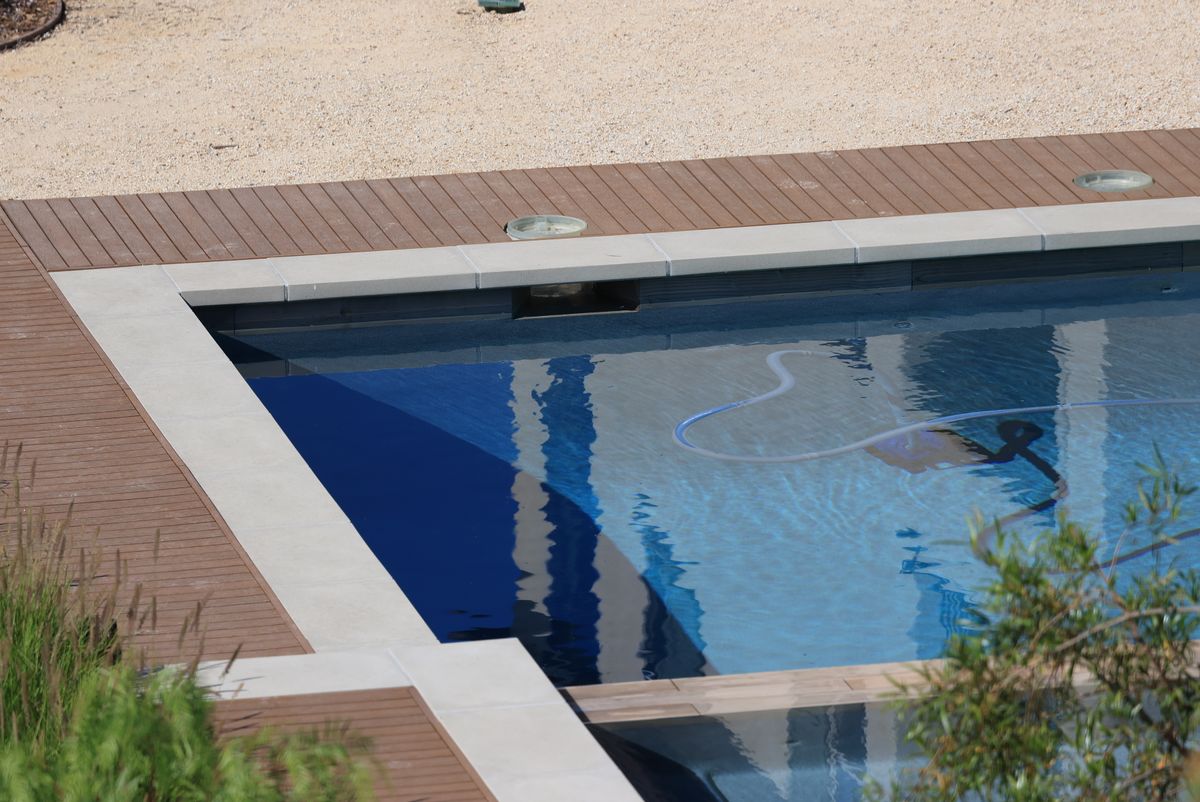
The route density formula: Why windshield time kills pool margins
Scattered pool routes waste fuel and technician labor; clustering accounts in specific subdivisions doubles weekly stop capacity.
In the pool maintenance business, profit is not dictated by how many accounts you have on paper, but by how close those accounts are to one another. A technician who drives 15 minutes between stops can only service 8 to 10 pools a day. A technician servicing pools within the same gated community can easily complete 16 to 18 stops daily with far less fatigue. Partnering with an operations and marketing build team allows pool operators to deploy precision geo-targeted campaigns that fill targeted routes fast.
Scattered routes vs clustered neighborhood marketing
Compare the economics of city-wide scattered service calls against dense neighborhood clusters.
| Operational Metric | Scattered City-Wide Route | Clustered Neighborhood Route |
|---|---|---|
| Drive Time Between Stops | 15 – 25 minutes | 2 – 6 minutes (often walking between homes) |
| Daily Technician Capacity | 8 – 10 pools per day | 16 – 20 pools per day |
| Fuel & Truck Maintenance | $450 – $700/mo per truck | $160 – $240/mo per truck |
| Word-of-Mouth Compounding | Low (isolated homes) | High (neighbors see branded trucks daily) |
Explore our cross-trade playbooks in neighborhood marketing strategy 2026, our hyperlocal marketing strategy 2026, and our recurring revenue model for service business.
4 marketing pillars to fill your pool routes in 60 days
Target specific subdivisions, automate neighbor referral bonuses, deploy instant text-back for chemical emergencies, and collect weekly photos.
- 1Run hyper-targeted Google Local Services Ads restricted specifically to subdivisions with high private pool concentrations.
- 2Launch an automated referral campaign offering existing clients a free month of chemicals whenever a direct neighbor signs up.
- 3Install instant missed-call text-back so frantic pool owners with green water or broken pumps connect with you in under 15 seconds.
- 4Send digital service logs with clear photos directly to homeowners after every visit to reinforce perceived value and prompt 5-star reviews.
Our owned marketing system delivers your pool service website, neighborhood-targeted ads, automated client reminders, and CRM for one setup fee and $48/mo flat maintenance. Ready to build dense, profitable pool routes? Book a free strategy session.
Key Takeaways for Pool Operators
- Route density is the #1 driver of net profit in the pool maintenance industry.
- Geofenced local campaigns allow you to pick the exact neighborhoods you want to service.
- Automated digital service reports build client retention and generate steady reviews.
- Apehx builds your entire marketing and route automation stack for $48/mo flat.

Criselle Julian— Project Manager
Criselle Julian is a Project Manager at Apehx Digital, leading CRM, automation, and data-ownership builds for US service businesses from scoping through launch.
See more of Criselle's workFrequently Asked Questions
How do pool service companies get more customers in one neighborhood?
Deploy hyperlocal Google Maps optimization, radius-targeted social campaigns, and automated neighbor-referral credits ($25 off for referring the next-door neighbor).
What is the average cost to acquire a pool maintenance client?
Through owned local SEO and targeted Google Local Services Ads, acquisition cost averages $35 to $65 for a client worth $1,800 to $2,600 in annual recurring service.
Why is route density so critical for pool business profit?
Windshield driving time produces zero revenue. Clustering 10 pools in a single subdivision allows one tech to complete double the stops without increasing vehicle wear or fuel costs.
How should pool companies handle winter or off-season slowdowns?
Offer automated off-season equipment inspections, heater repairs, tile cleaning, and green-to-clean shock packages to maintain steady cash flow year-round.
How does Apehx help pool service businesses grow?
We build your route-density marketing funnels, customer billing workflows, automated review capture, and CRM for $48/mo flat maintenance. [Book a free strategy session](/book).
More from the blog
Related guides in the same topic cluster.