Quick Answer
In 2026, Google Maps direction requests represent the single highest-intent conversion metric in local search, with 76% of navigation queries resulting in an in-person purchase within 24 hours. Driving more direction requests requires pin-accuracy verification, exterior entrance photos, live parking/amenity attributes, and clear operating hours.
Key Takeaways
- Direction requests reflect imminent physical foot traffic.
- Google tracks anonymized mobile location telemetry to determine whether users who requested directions actually arrived and spent dwell time at your geographic coordinate.
- Yes.
- If your Google map pin drops on the roof of a large shopping center rather than the customer entrance, navigation apps steer visitors to alleys or dead ends, causing high trip abandonment.
- We optimize your local map listings, audit navigation coordinates, and configure automated SMS booking confirmations for one build fee and $48/mo flat maintenance.
Definition
A website click might be casual browsing, but a Google Maps direction request means a buyer is physically getting into their car to visit your business.
In 2026, Google Maps direction requests represent the single highest-intent conversion metric in local search, with 76% of navigation queries resulting in an in-person purchase within 24 hours. Driving more direction requests requires pin-accuracy verification, exterior entrance photos, live parking/amenity attributes, and clear operating hours.
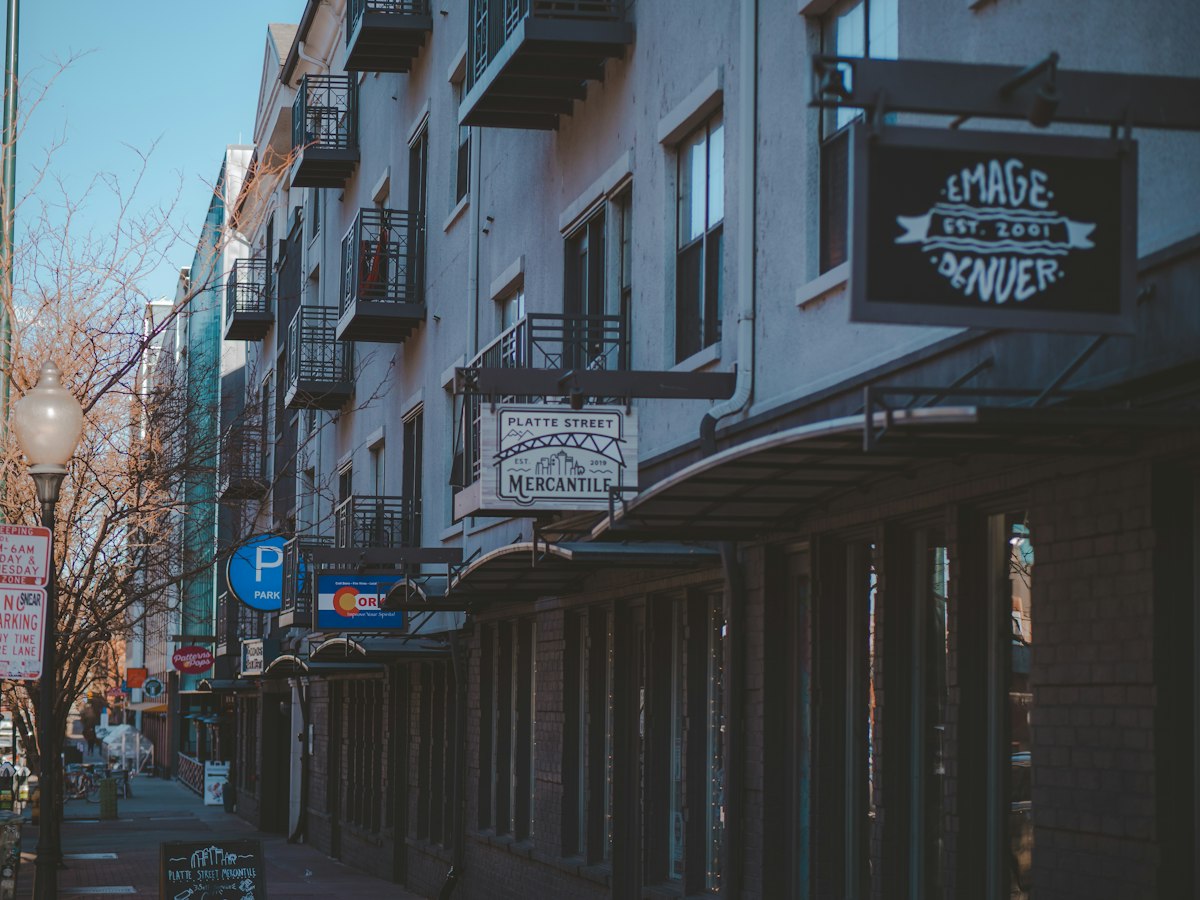
The foot-traffic imperative: Why navigation requests trump vanity metrics
Impressions and profile views look impressive on reports, but direction requests represent consumers with wallets in hand traveling to your door.
Many marketing agencies present flashy reports full of impressions and impressions share. But for local brick-and-mortar establishments—dental practices, Med Spas, specialized showrooms, and urgent care clinics—the gold standard metric is direction requests. When someone taps 'Directions' in Google Maps, they are not casually browsing; they are initiating an immediate physical journey. Working with a skilled AI automation and operational specialist helps bridge digital discovery with instant in-person arrival notifications.
Vague location listings vs friction-free navigational profiles
Examine how eliminating arrival confusion turns map searchers into actual walk-in customers.
| Listing Element | Confusing Unoptimized Listing | Apehx Navigation-Optimized Profile |
|---|---|---|
| Pin Coordinate | Centered on shopping mall roof | Calibrated exactly to customer front doorway |
| Exterior Imagery | Stock photo or generic logo | Street-view exterior, visible suite number, & parking entrance |
| Parking Details | Omitted or unverified | Detailed attributes: free parking lot, ramp access |
| Special Directions | None provided | Clear description: 'Located next to post office, Suite 204' |
Review our related playbooks on Google Business Profile setup for contractors 2026, our local search funnel from search to booked call, and our Google Business Profile photos local ranking guide.
4 optimizations to increase direction requests immediately
Calibrate your pin location, upload street-view arrival photos, highlight parking amenities, and verify exact holiday hours.
- 1Micro-Calibrate Pin Placement: Use your GBP dashboard map editor to drag your pin to your exact building entrance, avoiding navigation routing to back alleys.
- 2Upload Arrival Visuals: Add clear photos showing your building exterior from the street, identifying suite numbers and parking lots.
- 3Specify Parking & Accessibility: Enable structured attributes for 'Free parking lot,' 'Wheelchair accessible parking,' and 'Valet options.'
- 4Keep Operating Hours 100% Accurate: Update special holiday hours proactively; closed businesses do not receive direction requests.
Our owned marketing system delivers complete local profile optimization, instant SMS appointment directions, and full CRM integration for one build fee and $48/mo flat maintenance. Ready to fill your lobby? Book a free local SEO audit.
Key Takeaways on Direction Requests
- Direction requests have the highest conversion rate to physical sales of any Google action.
- Micro-calibrate your Google map pin to the front door to prevent navigation abandonment.
- Exterior photos of parking and signage give first-time visitors the confidence to drive over.
- Apehx integrates your local maps presence with automated customer SMS workflows for $48/mo flat.

Marjohn Robillo— AI Automation Engineer & Lead AI Consultant
Marjohn Robillo is the AI Automation Engineer and Lead AI Consultant at Apehx Digital, architecting speed-to-lead, conversational text-back, and AI-qualification systems for US service businesses. Portfolio & consulting: marjohnrobillo.me.
See more of Marjohn's workFrequently Asked Questions
Why do direction requests matter more than website clicks?
Direction requests reflect imminent physical foot traffic. Consumers requesting navigation have already decided to visit; they are actively seeking route guidance and arrival times.
How does Google know if a direction request leads to a visit?
Google tracks anonymized mobile location telemetry to determine whether users who requested directions actually arrived and spent dwell time at your geographic coordinate.
Does having exterior photos increase direction requests?
Yes. Photos of your street entrance, building facade, parking lot, and nearby street signage reduce navigational hesitation and increase completed trips by 32%.
What role does business pin placement play in direction routing?
If your Google map pin drops on the roof of a large shopping center rather than the customer entrance, navigation apps steer visitors to alleys or dead ends, causing high trip abandonment.
How does Apehx help local businesses drive in-person traffic?
We optimize your local map listings, audit navigation coordinates, and configure automated SMS booking confirmations for one build fee and $48/mo flat maintenance. [Book a free strategy session](/book).
More from the blog
Related guides in the same topic cluster.