Quick Answer
Email deliverability is the set of technical and reputation factors that determine whether your email reaches the inbox or lands in spam. In 2026, Gmail and Yahoo require valid SPF, DKIM, and DMARC records and a sender reputation above threshold, so fixing authentication, list hygiene, and engagement before you send a word is the difference between an email that converts and one nobody ever sees.
Key Takeaways
- In 2026, Gmail and Yahoo require valid SPF, DKIM, and DMARC records for bulk senders.
- SPF lists which servers may send for your domain, DKIM adds a cryptographic signature to each email, and DMARC tells receivers what to do if SPF or DKIM fails.
- Run a deliverability test through a tool that checks inbox placement across Gmail, Outlook, and Yahoo, verify your SPF, DKIM, and DMARC records, and monitor your sender reputation score and spam complaint rate.
- Yes.
- An all-in-one CRM lets you connect your authenticated sending domain with SPF, DKIM, and DMARC for about $48/month, so the technical layer is handled as part of the owned build rather than a separate email platform.
Definition
SPF lists which servers may send for your domain, DKIM adds a cryptographic signature to each email, and DMARC tells receivers what to do if SPF or DKIM fails.
Email deliverability is the set of technical and reputation factors that determine whether your email reaches the inbox or lands in spam. In 2026, Gmail and Yahoo require valid SPF, DKIM, and DMARC records and a sender reputation above threshold, so fixing authentication, list hygiene, and engagement before you send a word is the difference between an email that converts and one nobody ever sees.
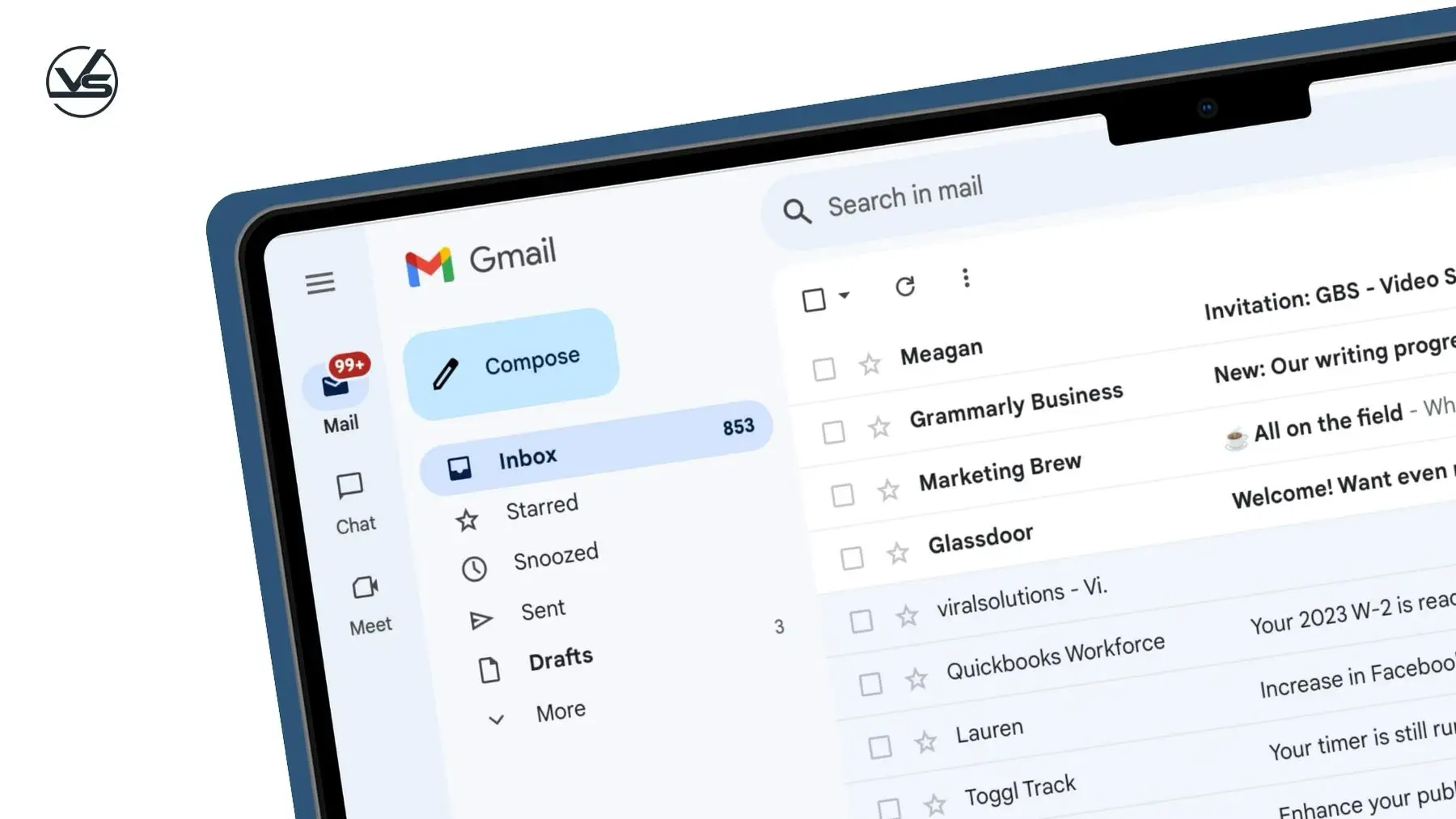
Deliverability is a technical problem, not a copy problem
You can write the best email in the world and it will still land in spam if your SPF, DKIM, and DMARC are missing. In 2026, Gmail and Yahoo enforce authentication for bulk senders, so deliverability is a technical setup you fix before the first word of copy.
Most small businesses discover deliverability the hard way: a nurture sequence goes out, the open rate is 4%, and nobody can figure out why. The copy is fine. The problem is upstream. The sending domain has no DMARC record, or the DKIM signature is misaligned, or the list is full of addresses that bounced a year ago. Gmail reads those signals as spam and quietly routes the mail to the junk folder. The 2026 Gmail and Yahoo requirements made this non-negotiable: bulk senders without valid authentication get rejected outright. This is the same own-the-infrastructure argument we make in email drip campaign automation: the technical layer is part of the asset.
The three authentication records you must have
SPF tells receivers which servers may send for your domain, DKIM signs each email cryptographically, and DMARC tells receivers what to do if the others fail. All three are required by Gmail and Yahoo in 2026, and misalignment of any one routes mail to spam.
| Record | What it does | What happens without it |
|---|---|---|
| SPF | Lists the servers authorized to send mail for your domain | Mail flagged as unauthenticated, routed to spam |
| DKIM | Adds a cryptographic signature proving the email was not altered | Mail treated as spoofed, rejected by Gmail and Yahoo |
| DMARC | Tells receivers how to handle SPF or DKIM failures | No enforcement policy, so spoofers can send as you |
Alignment is the part that trips people up. The domain in your From address must match the domain authenticated by SPF and DKIM. A common failure is sending from a free address like a gmail.com while the CRM authenticates a custom domain, which breaks DMARC alignment. Always send from your own domain with all three records published and aligned.
The reputation and engagement signals that move the needle
Authentication gets you to the door; reputation decides if you walk through. Sender reputation is driven by bounce rate, spam complaint rate, and engagement, so list hygiene and sending to people who actually open are the levers that keep you out of spam after the technical layer is set.
- Bounce rate: keep it under 2% by removing invalid and hard-bounced addresses.
- Spam complaint rate: keep it under 0.1% by sending only to engaged contacts.
- Engagement: open and click activity signals to Gmail that recipients want your mail.
- List hygiene: suppress or re-engage contacts who have not opened in 6 months.
- Warm-up: ramp volume gradually on a new sending domain to build reputation.
Building the authentication, warm-up, and hygiene automation is engineering work, which is why an expert AI automation engineer configures the DNS records, sending domain alignment, and re-engagement flows so deliverability is a solved problem, not a recurring fire. For the nurture side that depends on this foundation, see our lead nurturing automation sequence guide.
The 2026 deliverability checklist
Run this checklist before your next send: publish aligned SPF, DKIM, and DMARC, connect an authenticated sending domain, clean the list, warm up gradually, and monitor placement across Gmail, Outlook, and Yahoo. Fix the technical layer first; the copy is the easy part.
- 1Publish SPF, DKIM, and DMARC records on your sending domain.
- 2Connect an authenticated sending domain inside your CRM, aligned to your From address.
- 3Clean the list: remove hard bounces and suppress 6-month inactives.
- 4Warm up new sending volume gradually over two weeks.
- 5Run a deliverability test across Gmail, Outlook, and Yahoo before a big send.
- 6Monitor bounce and complaint rates and adjust list segmentation weekly.
Get this right and your email marketing automation benchmarks actually become reachable, because the mail is landing. When you want the technical layer wired into your owned CRM with the records and warm-up handled, book a free setup audit.
This is the core of the owned marketing engine model: every tool you currently rent, from the email platform to the authentication records to the automations, gets rebuilt as one system you own outright for a single one-time build fee.
Key takeaways
- In 2026, Gmail and Yahoo reject bulk mail without valid SPF, DKIM, and DMARC.
- One in six legitimate marketing emails never reaches the inbox due to authentication failure.
- SPF authorizes servers, DKIM signs mail, DMARC enforces policy; all must be aligned.
- Reputation is driven by bounce rate, complaint rate, and engagement, so list hygiene matters.
- Fix authentication and warm-up before you write a word of copy; the technical layer comes first.

Marjohn Robillo— AI Automation Engineer & Lead AI Consultant
Marjohn Robillo is the AI Automation Engineer and Lead AI Consultant at Apehx Digital, architecting speed-to-lead, conversational text-back, and AI-qualification systems for US service businesses. Portfolio & consulting: marjohnrobillo.me.
See more of Marjohn's workFrequently Asked Questions
Why are my emails going to spam in 2026?
In 2026, Gmail and Yahoo require valid SPF, DKIM, and DMARC records for bulk senders. Missing or misconfigured authentication is the most common cause of spam placement, followed by low engagement and stale lists.
What is the difference between SPF, DKIM, and DMARC?
SPF lists which servers may send for your domain, DKIM adds a cryptographic signature to each email, and DMARC tells receivers what to do if SPF or DKIM fails. All three are required by Gmail and Yahoo in 2026.
How do I check my email deliverability?
Run a deliverability test through a tool that checks inbox placement across Gmail, Outlook, and Yahoo, verify your SPF, DKIM, and DMARC records, and monitor your sender reputation score and spam complaint rate.
Does list cleaning improve deliverability?
Yes. Removing bounced, invalid, and disengaged addresses lowers your bounce and complaint rates, which protects your sender reputation and keeps your mail out of the spam folder.
Is email authentication included in an owned CRM?
An all-in-one CRM lets you connect your authenticated sending domain with SPF, DKIM, and DMARC for about $48/month, so the technical layer is handled as part of the owned build rather than a separate email platform.
More from the blog
Related guides in the same topic cluster.